


Cozy, creamy Pasta e Ceci Recipe made with chickpeas, rosemary, garlic, and ditalini pasta simmered in olive oil and tomatoes. Simple, comforting, and totally soul-warming.
Alright, so you know how everyone has that one meal they turn to when life gets… well, a lot? For me, that’s Pasta e Ceci. Every single time the temperature drops, my brain goes straight to chickpeas and pasta. It’s like some weird Italian survival instinct kicks in.
The first time I made it, it wasn’t exactly planned. I’d just come back from a long day—cold, tired, and cranky—and my fridge looked like a sad bachelor’s apartment. There was a half-empty bottle of white wine, two cans of chickpeas, and that eternal jar of garlic that lives in the back of every fridge. I remember thinking, “Well, this is either going to be dinner or regret.”


I sautéed some onion, added rosemary (because that’s what Pinterest told me to do, honestly), and suddenly the kitchen smelled like an Italian grandma had moved in. You know that warm, herby smell that makes you instantly hungry? Yeah, that. My husband peeked in and said, “You’re making soup?” And I just laughed—because it wasn’t really soup. It wasn’t really pasta either. It was something in-between, and somehow, that made it perfect.
Since then, every fall, when I pull out the big pot and hear the sizzle of onions hitting olive oil, I get that same cozy feeling. It’s not just food—it’s nostalgia, warmth, and a little edible therapy session.
Why You’ll Love This Pasta e Ceci Recipe?
Let me just say—this Pasta e Ceci Recipe is the definition of comfort food that doesn’t ask for much. It’s simple. Honest. There’s no showing off here, no fancy garnish or complicated steps. It’s just good ingredients coming together like old friends.
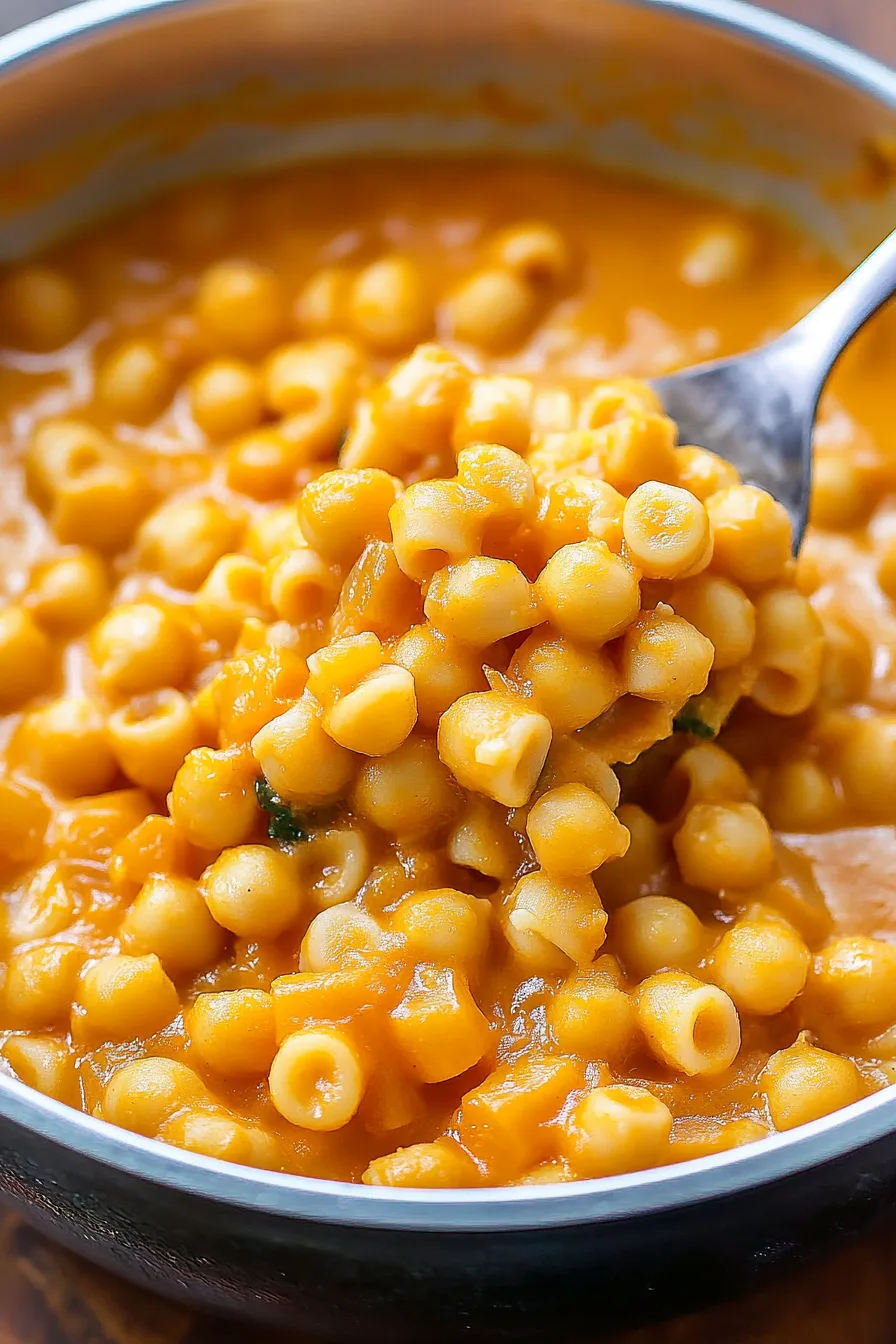
I love how it’s this perfect hybrid—half soup, half pasta. The chickpeas give it a creamy body (without any cream, which feels like a small miracle), and the rosemary adds that earthy note that makes it taste like you’ve been simmering it all day. And the best part? You probably already have everything you need sitting in your pantry.
It’s the kind of dish that makes you pause for a second when you take the first bite. You know, the “oh wow, this is actually incredible” moment. It’s rustic and humble, sure, but somehow still elegant enough to serve when friends drop by.
Ingredient Notes:
Let’s be real—this isn’t a complicated dish, but the magic’s in the details. Every ingredient earns its place.
-
Chickpeas: Canned works just fine. I’ve tried soaking dried ones before, and while they’re great, on a Tuesday night when I’m starving? Not happening. Using one drained and one undrained can gives you the perfect balance of creaminess and texture.
-
Olive Oil: I’m not gonna lie—I use a lot of olive oil here. It’s what gives everything that silky, rich mouthfeel.
-
Onion and Garlic: The holy duo. Slow cook them in olive oil until they smell like comfort itself. Don’t rush this part—it’s where the soul of the dish begins.
-
Rosemary: Okay, this one’s a big deal. Fresh sprigs if you can, because the aroma is unbeatable. But if you only have dried rosemary, it still does the trick.
-
White Wine (or Water): The wine adds a hint of brightness that cuts through the richness. And if you don’t have wine, water’s fine—it’s a no-judgment zone here.
-
Vegetable Broth: Think of this as the dish’s foundation. Use a good one, because it really sets the tone for the flavor.
-
Crushed Tomatoes: Adds just enough acidity to balance everything. I love using San Marzano when I have them—they just hit different.
-
Parmigiano Reggiano: The cheese and especially the rind are the secret MVPs here. They give the dish that deep, savory background note.
-
Ditalini Pasta: The traditional pick. Tiny, bite-sized, and perfect for spooning. But hey, I’ve used elbows before and no one complained.
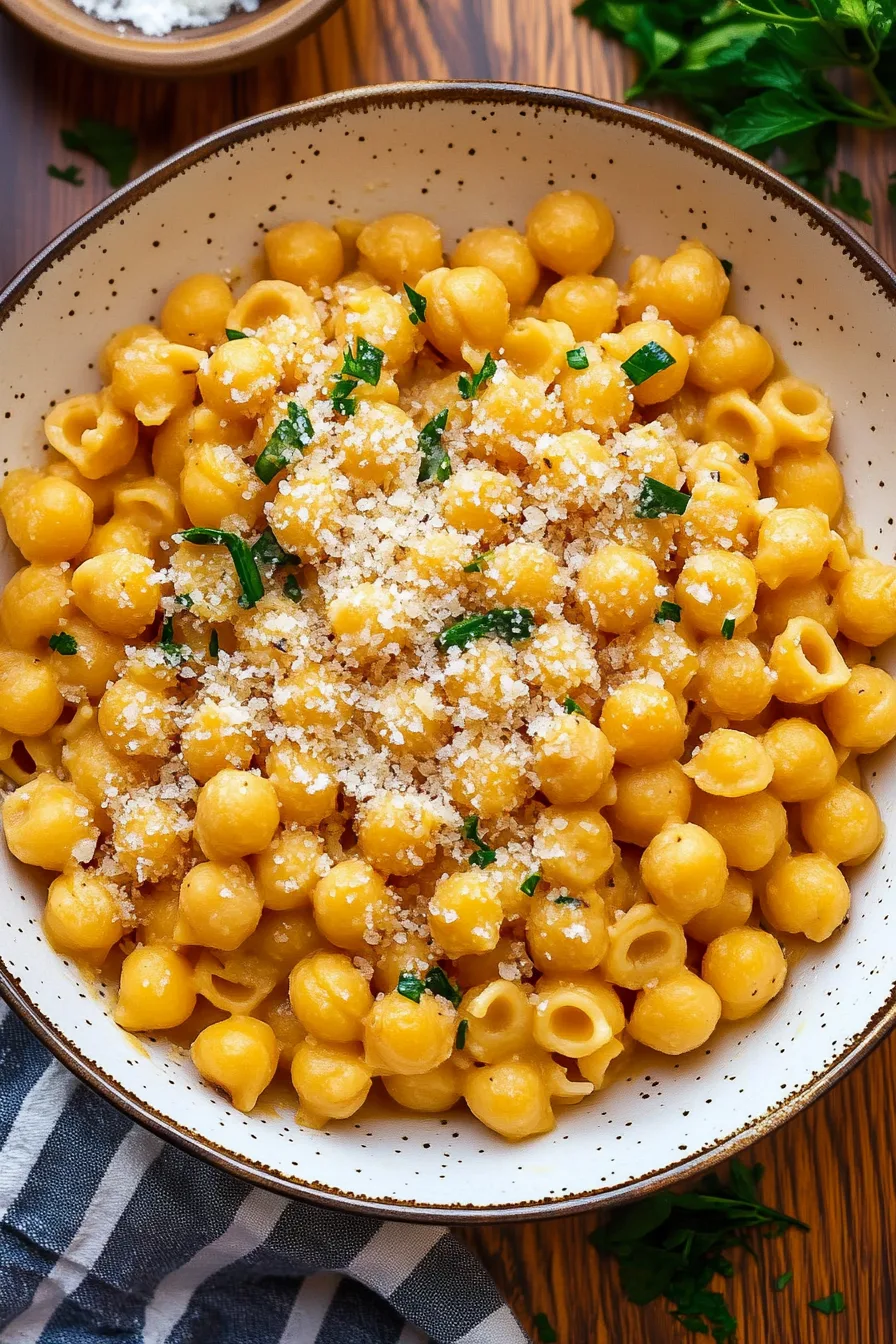
How To Make Pasta e Ceci?
Cooking Pasta e Ceci feels a bit like therapy. It’s rhythmic—you stir, you simmer, you taste. It’s one of those recipes that makes you slow down without even realizing it.
- Start by rinsing one can of chickpeas and leaving the other as-is. The starchy liquid from the undrained can? That’s your built-in creaminess. Don’t toss it.
- Then heat your olive oil in a big pot (and don’t skimp on the oil—it’s flavor, not guilt). Add the chopped onion, garlic, and rosemary. Sprinkle in a bit of salt and let them do their thing. Within minutes, the smell will have you hovering over the stove like a cartoon character following the scent of pie.
- Once the onions are soft and golden, pour in the white wine (or water) to deglaze the pot. You’ll hear that satisfying sizzle—like the sound of stress leaving your body. Then remove the rosemary sprigs, add the chickpeas (both cans), the broth, crushed tomatoes, Parmesan rind, and the rest of the salt. Bring it to a boil, then lower the heat and let it simmer for about 10 minutes.
- Now for the trick that makes this dish shine: scoop out some of the chickpeas, mash them with a fork, and stir them back into the pot. This gives the broth that creamy, cozy texture that feels like a hug in a bowl.
- Bring it to a boil again, add your pasta, and cook it until it’s al dente. Keep an eye on it and stir often—the pasta loves to stick at this stage. When it’s just right, remove the rind, stir in most of your grated cheese, and taste. If it’s too thick, add a splash of broth; if it’s too thin, let it simmer a bit longer.
- Then comes the best part—serve it hot, with more cheese and a drizzle of olive oil on top. Trust me, the drizzle isn’t optional.
Storage Options:
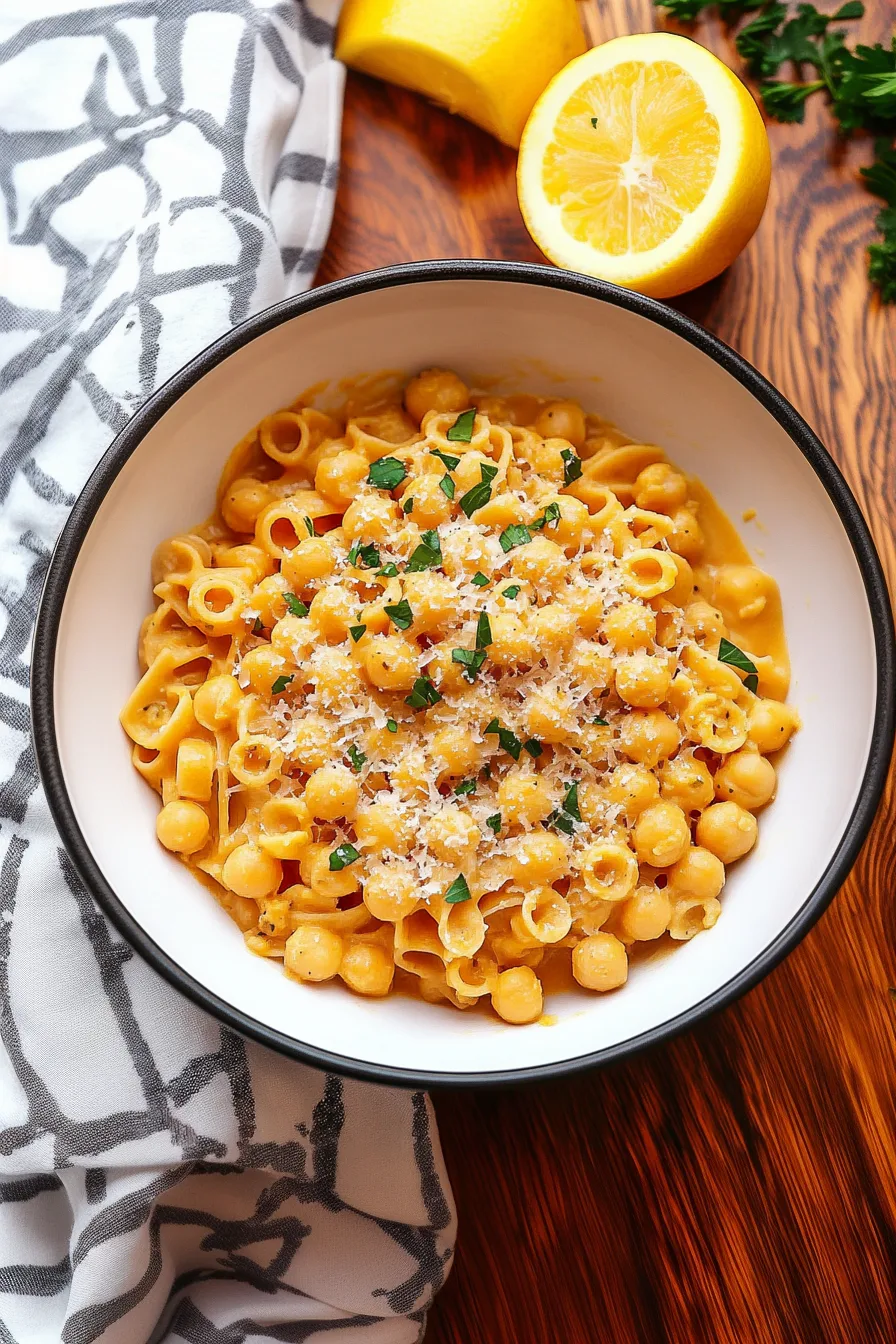
If by some miracle you have leftovers (which rarely happens in my house), this Pasta e Ceci Recipe tastes even better the next day. The flavors deepen, and the texture gets thicker, almost stew-like. Store it in an airtight container in the fridge for up to 3 days. When you reheat it, add a splash of broth or water—pasta tends to get a little greedy and soak up everything overnight.
Honestly? It’s one of those dishes that feels like it was meant to be reheated.
Want To Save This Recipe?
Variations and Substitutions:
This is one of those forgiving recipes that you can tweak however you want—and I fully support that.
-
Spice it up: Add red pepper flakes or a pinch of cayenne if you like a little heat.
-
Greens: Toss in spinach, kale, or even arugula toward the end for extra flavor and color.
-
Make it creamier: Blend more of the chickpeas before adding the pasta for a thick, creamy texture.
-
Change the pasta: No ditalini? No problem. Any small pasta will work—shells, elbows, even broken spaghetti.
-
Go vegan: Skip the cheese or use a vegan alternative. It’s still amazing.
What to Serve with Pasta e Ceci?
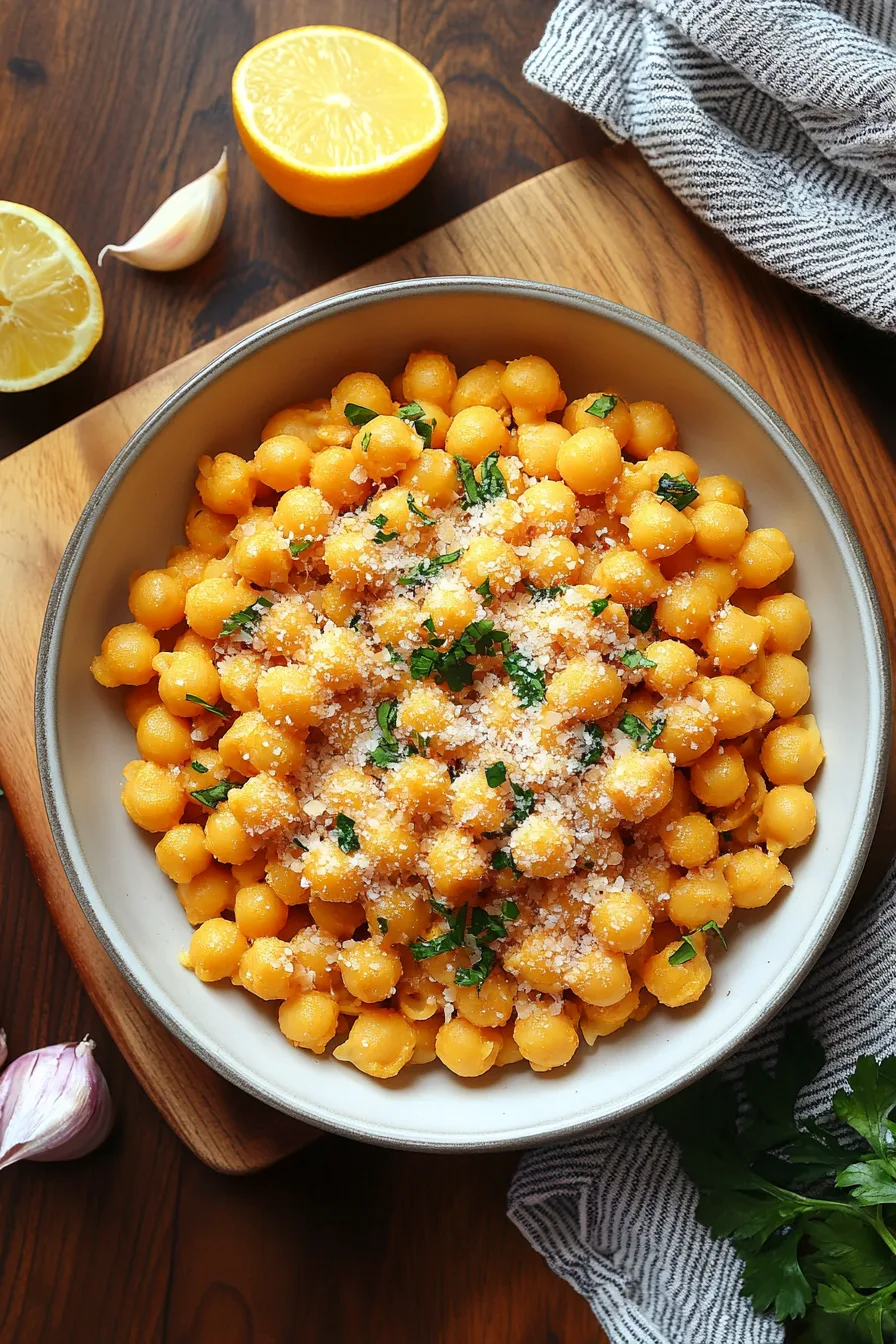
You don’t need much to make a meal out of this, but if you’re like me and love a little variety, here’s what I usually pair it with:
-
Crusty Bread: Because let’s face it, half the fun is dipping.
-
Simple Green Salad: Something crisp and fresh to balance the richness.
-
Roasted Veggies: Zucchini, carrots, or even Brussels sprouts.
-
A Glass of Wine: Red or white—whatever you’ve got open. I won’t judge.
Frequently Asked Questions:
Can I use dried chickpeas instead of canned?
Sure thing! Just soak them overnight and cook until tender before using. It takes longer, but it’s worth it if you’re feeling fancy.
Can I make it ahead of time?
Definitely. Just keep the pasta separate until you’re ready to serve—it helps prevent the noodles from soaking up all the broth.
How do I adjust the texture?
If you like it soupier, add more broth. Want it thicker? Simmer it longer. I like mine right in the middle—thick enough to coat the spoon but still slurpable.
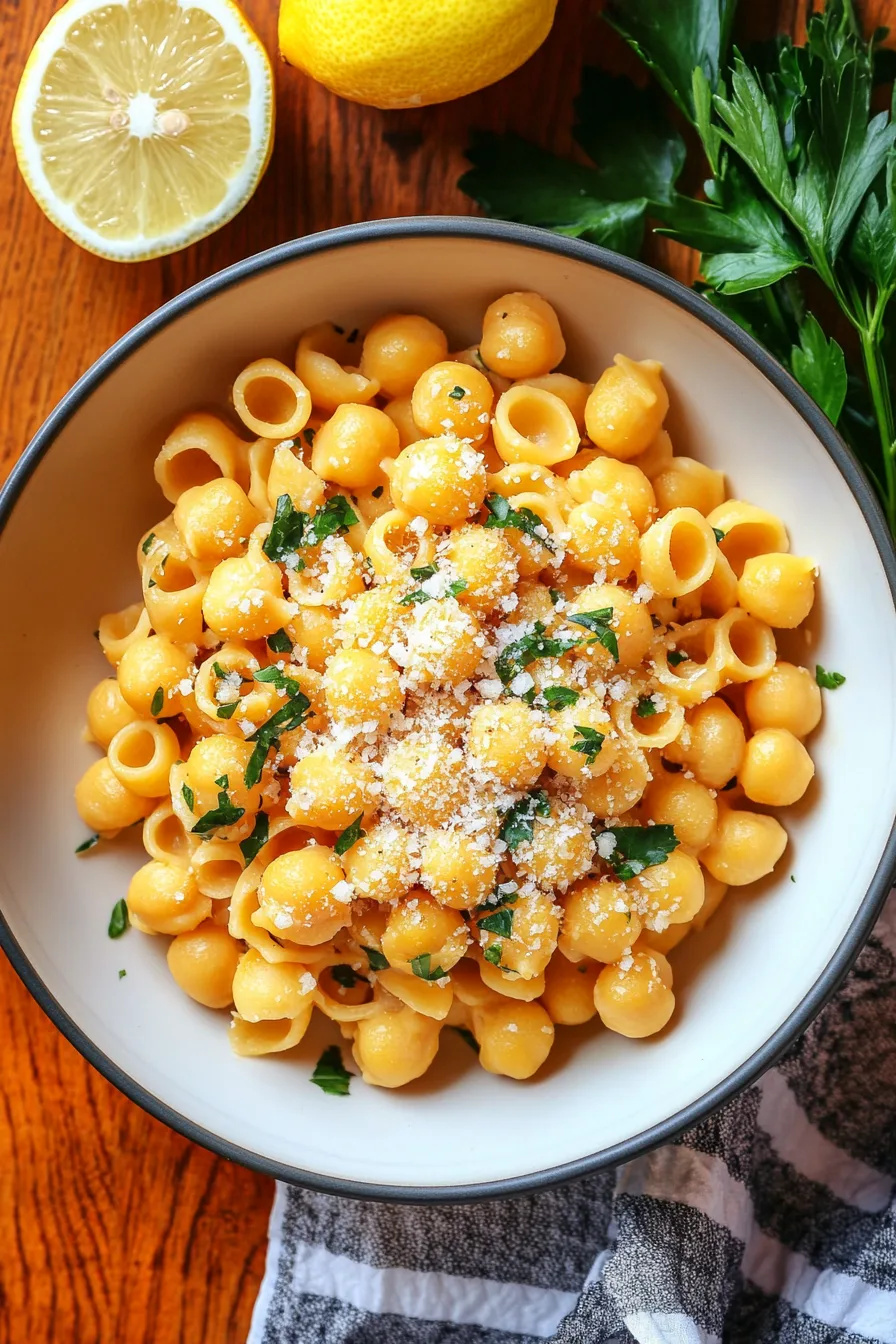
This Pasta e Ceci Recipe is one of those dishes that feels like home, even if you didn’t grow up eating it. It’s warm, a little messy, a little rustic—kind of like life, right? It’s what I make when I need something that’s equal parts comfort and flavor, something that reminds me that simple food can still be beautiful.
So next time you’re staring into your pantry wondering what to make—grab those chickpeas, pour a glass of wine, and get stirring. I promise, it’ll fix your mood in ways takeout never could. And hey, if you end up eating it straight from the pot? No judgment here. Can’t wait to hear what you think.
Keep the Flavor Coming – Try These:
Pasta e Ceci Recipe
Ingredients
- 2 15.5-ounce cans chickpeas divided
- 1/2 cup extra-virgin olive oil plus more for drizzling
- 1 medium yellow onion finely chopped (about 3/4 cup)
- 5 garlic cloves lightly smashed
- 2 fresh rosemary sprigs
- 1 teaspoon kosher salt divided
- 1/2 cup dry white wine or water
- 4 cups vegetable broth plus more as needed
- 1 cup crushed tomatoes preferably San Marzano
- 1 cup very finely grated Parmigiano Reggiano cheese 4 ounces, divided
- 1 1-ounce Parmigiano Reggiano cheese rind
- 2 cups 8 ounces ditalini pasta
Instructions
Prepare the Chickpeas
- Rinse and drain one can of chickpeas. Leave the second can undrained. Set both aside for later use.
Cook the Aromatics
- In a large saucepan, heat the olive oil over medium heat. Add the chopped onion, garlic cloves, rosemary sprigs, and 1/4 teaspoon of salt. Cook, stirring occasionally, until the onions are soft and fragrant but not browned, about 6 minutes.
Deglaze the Pan
- Pour in the white wine (or water) and increase the heat to medium-high. Stir occasionally until the liquid is reduced slightly, approximately 2 minutes.
Simmer the Chickpeas
- Remove and discard the rosemary sprigs. Stir in both the drained and undrained chickpeas, vegetable broth, crushed tomatoes, Parmesan rind, and the remaining salt. Bring the mixture to a boil over medium-high heat, then reduce to medium and cook for about 10 minutes, stirring occasionally.
Mash and Thicken
- Using a slotted spoon, transfer about 3/4 cup of the chickpea mixture to a heatproof bowl. Mash the chickpeas with a fork until partly smooth but still slightly chunky. Return the mashed mixture to the pot and stir to incorporate, creating a creamier base.
Add the Pasta
- Bring the mixture back to a boil and stir in the ditalini pasta. Cook according to the package instructions until al dente, stirring often to prevent sticking. Add additional broth or water, if necessary, to reach your preferred consistency.
Incorporate the Cheese
- Remove the saucepan from heat and discard the Parmesan rind. Stir in 3/4 cup of the grated Parmigiano Reggiano cheese and mix vigorously until the soup becomes creamy and well combined.
Serve and Garnish
- Divide the Pasta e Ceci among serving bowls. Top each portion with a tablespoon of the remaining grated cheese and drizzle lightly with olive oil before serving.
Notes

I’m Bitty, owner of nodashofgluten.com, where I share simple, delicious recipes for all tastes, including gluten-free. Check out my “About Me” page for more info!