

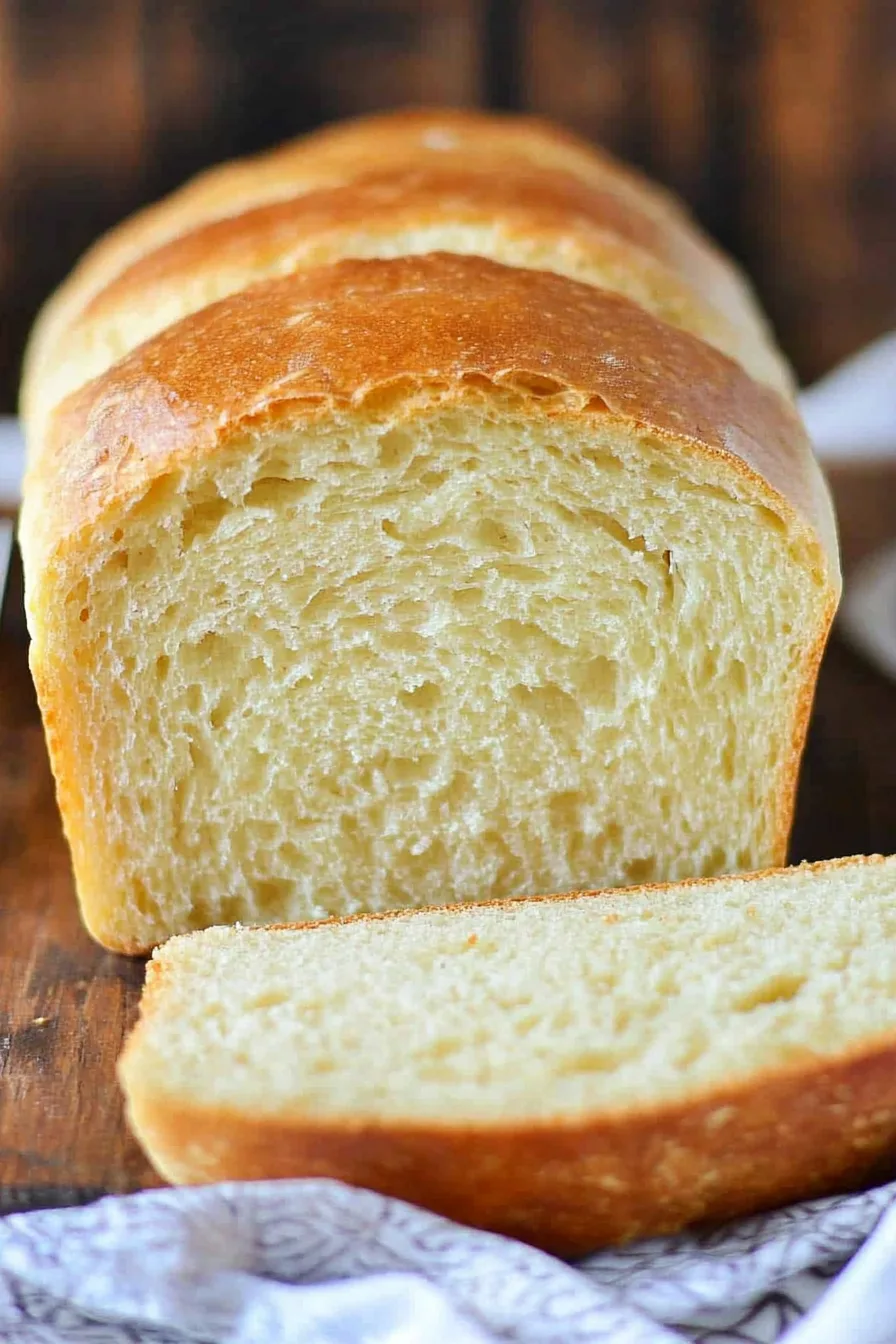
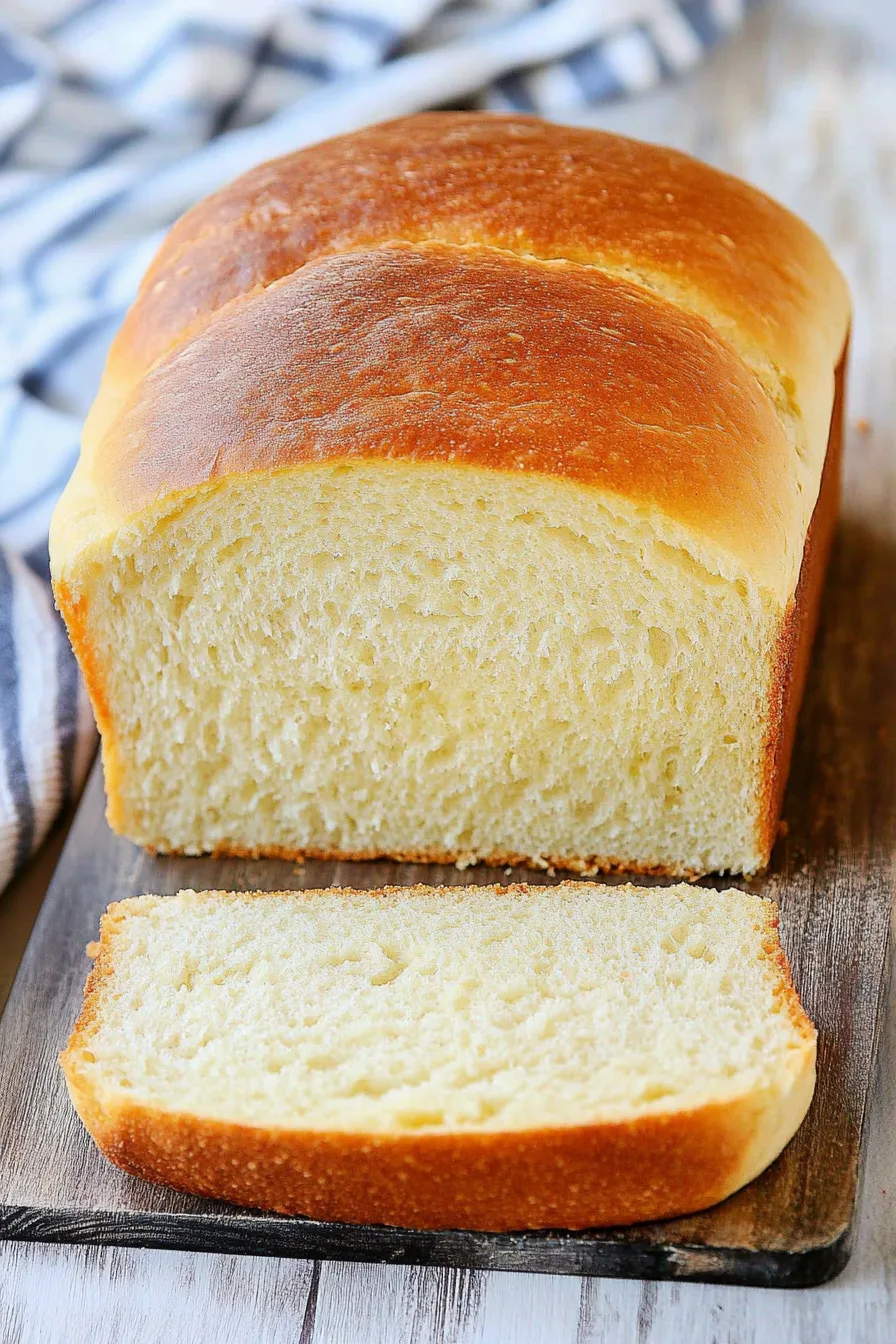
Floury potatoes, flour, yeast, whole wheat, butter, and salt combine for a soft, rustic and utterly comforting homemade potato bread recipe.


A few weeks back, I was visiting my grandma in the countryside. She lives where potatoes basically grow in the ground themselves—her garden? Legendary. We spent the afternoon gardening, chatting about everything under the sun, and when I got home that evening, her suggestion stuck in my head: make potato bread. I had leftover Yukon Golds from dinner, so I thought, why not? I mashed them, used her old yeast jar, and after a few mishaps—like spilling potato water on the floor, and almost forgetting the butter—I ended up with this magical loaf. The house smelled earthy and cozy, people fought over the rolls, and I thought “okay, this needs to be on my blog.” So that’s how this potato bread recipe became an accidental masterpiece.
Why You’ll Love This Potato Bread Recipe?
Honestly? Things no one mentions a lot: the starch in the potatoes makes the crumb unbelievably soft. Yet it still has a great crust that doesn’t feel like chewing cardboard. It stays fresh (I swear I had soft bread on day three). You get a full loaf and rolls—making it perfect if you want to impress friends or stash extras. Plus, it’s forgiving: a little overkneading? Doesn’t ruin it. Feel lazy and skip the rolls? Still delicious. It’s your cozy, forgiving bread friend.

Ingredient Notes:
I like letting you know what’s essential, what’s flexible, and what’s just plain fun to customize:
-
Floury Potatoes (Yukon Gold, Russet, Idaho) – mashed smooth, make the bread tender. Don’t toss that cooking water—it’s gold.
-
Potato Water – I save exactly 3 cups (cool it before using); it’s part of the magic here.
-
Yeast – standard active dry. If it’s old? Bread might not rise. RIP your loaf.
-
All-Purpose Flour – builds structure and lift.
-
Whole Wheat Flour – adds flavor depth and a rustic touch—just a cup.
-
Butter – small addition, big comfort vibes.
-
Salt – essential, spelled out twice, don’t skip it.

How To Make Potato Bread?
Step 1: Boil & Mash
Cook peeled, chunked potatoes in salted water until they’re super soft. Drain, but don’t chuck the water! Mash the potatoes until creamy—no lumps. I stood there spooning mash into a bowl while my family snuck tastes; they’re sneaky like that.
Step 2: Mix the Base
Take 3 cups of reserved potato water (top up if needed), let it cool to lukewarm. Add mashed potatoes and yeast. Wait 5 minutes while yeast wakes up—bubbles are a good sign.
Step 3: Add Flour & Let Rest
Stir in 2 cups all‑purpose flour, rest 3–4 minutes. Then mix in salt, butter, whole wheat flour, and mix until sticky. Keep adding all‑purpose until dough forms.
Step 4: Knead Time
Turn it out onto a floured surface. Knead about 10 minutes—maybe more if it’s still too sticky. Use a dough scraper if needed. Imperfect lumps = character. Clean surface every now and then so dough doesn’t stick.
Step 5: First Rise
Tuck the dough into a clean bowl, cover, and let it rise for ~2 hours until doubled. Bonus: it’s a good time for coffee or to binge a show.
Step 6: Shape Loaf & Rolls
Punch the dough down gently. Divide it: about one-third for rolls, two‑thirds for the loaf. Roll the loaf into a log, tuck into a buttered pan. Shape rolls into balls on a sheet (leave space). Let rise about 35–45 minutes—until puffy.
Step 7: Bake
Preheat oven to 450°F. Dust tops lightly or brush melted butter. Slash the loaf top a few times with a sharp knife. Bake both loaf and rolls together: start at 450°F for 10–15 minutes, then reduce to 375°F. Rolls bake ~30 minutes; loaf ~50 minutes. They’re done when golden and hollow‑sounding when tapped.
Step 8: Cool and Enjoy
Move rolls to a rack immediately. After loaf’s done, remove it from pan and cool on a sheet for 5–10 more minutes. Then let everything cool 30 minutes if you can wait—but warm slice is basically heaven.

Storage Options:
Let the bread cool fully before you wrap it. Store at room temp in a bread bag or foil for up to 3 days—it stays moist. Want longer? Freeze: slice loaf or rolls, wrap tightly, freeze for up to 2 months. Defrost on counter or toast directly if chilled. Softness intact? Yep.
Variations and Substitutions:
Feel free to improvise:
-
Use sweet potatoes instead of regular, for a sweeter twist.
-
Swap in milk for part of the water to make it richer.
-
Add herbs like rosemary or garlic powder for savory versions.
-
Try rye or spelt flour replacing part of flour for a nutty nuance.
-
Too lazy for rolls? Skip them and make one big loaf—you’ll still get delicious bread.
Want To Save This Recipe?

What to Serve with Potato Bread?
It pairs beautifully with so many favorites:
-
Buttered toast and jam – nostalgic comfort food.
-
Sandwiches – it holds up amazingly.
-
Soup or stew – tomato, chicken noodle, or chili.
-
Breakfast toast with egg – simple + satisfying.
-
Sliders or mini sandwiches – rolls are perfect for that.
Frequently Asked Questions:
Can I leave out whole wheat flour?
Yes, just add more all-purpose flour—bread still works.
Can I use instant yeast instead?
Yes! Skip letting it bloom. Dough will rise faster, so keep an eye on it.
Bread sank in the middle—why?
Maybe overmixing or underbaking. Could still taste fine.

So…are you ready to bake some love into your day? This potato bread recipe is forgiving, cozy, and surprisingly fun—like you pulled something out of grandma’s oven, even if all you have is your countertop and a bit of flour.
Let me know when you try it, or if your kitchen ends up looking like mine sometimes does: flour everywhere and family elbowing in for rolls.
Can’t wait to hear what you think!
Keep the Flavor Coming – Try These:

Potato Bread Recipe
Ingredients
- 4 medium to large floury potatoes such as Idaho, Russet, or Yukon Gold, peeled and cut into chunks (approximately 8 to 16 oz total)
- 4 cups water for boiling potatoes; reserve cooking water
- 1 tablespoon plus 1 teaspoon salt divided
- 2 teaspoons active dry yeast
- 6 ½ to 8 ½ cups unbleached all-purpose flour
- 1 tablespoon unsalted butter softened
- 1 cup whole wheat flour
Instructions
Cook the Potatoes
- In a medium saucepan, place the peeled and chopped potatoes with 4 cups of water. Bring to a boil, add 1 teaspoon of salt, and cook, partially covered, until the potatoes are very tender—approximately 20 to 25 minutes.
Prepare Potato Base
- Drain the potatoes, reserving the cooking liquid. Mash the potatoes thoroughly until smooth. Measure out 3 cups of the reserved potato water (adding fresh water if necessary to reach this amount). Combine the mashed potatoes and measured water in a large mixing bowl. Allow the mixture to cool to a lukewarm temperature (70–80°F).
Activate the Yeast
- In a small cup, stir the yeast into 1 cup of the lukewarm potato water. Let the yeast sit for 5 minutes, or until foamy. Pour the activated yeast into the cooled potato mixture.
Begin Dough Formation
- Add 2 cups of all-purpose flour to the mixture and stir. Allow it to rest for 3 to 4 minutes. Then, add the remaining 1 tablespoon of salt, the softened butter, and the whole wheat flour. Stir until combined.
Continue Incorporating Flour
- Add 2 more cups of the all-purpose flour, mixing until fully incorporated. Transfer the dough to a floured work surface.
Knead the Dough
- Knead the dough by hand for approximately 10 minutes, gradually adding flour as needed to prevent sticking. The dough will be sticky at first but should become more manageable as flour is absorbed. A dough scraper is helpful to maintain a clean surface. The dough will remain soft even after kneading.
First Rise
- Place the kneaded dough in a clean, lightly greased bowl or container. Cover with plastic wrap or a lid and allow it to rise in a warm area for approximately 2 hours, or until doubled in volume.
Shape the Dough
- Once risen, turn the dough onto a floured surface and knead gently for 3 to 4 minutes. Divide the dough into two unequal portions—approximately one-third and two-thirds. Set the smaller piece aside, covered.
Prepare the Loaf
- Lightly butter a 9 x 5 x 2.5-inch loaf pan. Flatten the larger portion of dough into a 12 x 8-inch oval, then roll it from the shorter end to form a loaf. Pinch the seam closed and place seam-side down in the prepared pan. The loaf should fill about three-quarters of the pan height. Cover with plastic wrap and allow it to rise for 35 to 45 minutes, or until nearly doubled.
Shape the Rolls
- Butter a 13 x 9-inch sheet cake pan. Divide the remaining dough into 12 equal pieces. Shape each into a ball and place them on the pan, leaving ½ inch between each. Cover with plastic wrap and let rise for 35 minutes, or until puffy.
Bake the Bread and Rolls
- Preheat the oven to 450°F. Dust the risen dough with flour or brush with melted butter. Score the top of the loaf with 2 to 3 shallow slashes using a sharp knife. Immediately place both pans into the oven. Bake at 450°F for 10 to 15 minutes, then reduce the oven temperature to 375°F.
- For rolls: Bake for about 30 minutes or until golden brown.
- For the loaf: Bake for about 50 minutes. Once done, remove the loaf from the pan and return to the oven on a baking sheet for an additional 5 to 10 minutes. The bread should sound hollow when tapped on the bottom and feel firm at the corners.
Cool the Bread
- Transfer rolls to a cooling rack immediately. Cool the loaf for at least 30 minutes before slicing. Rolls may be served warm or at room temperature.
Notes

I’m Bitty, owner of nodashofgluten.com, where I share simple, delicious recipes for all tastes, including gluten-free. Check out my “About Me” page for more info!