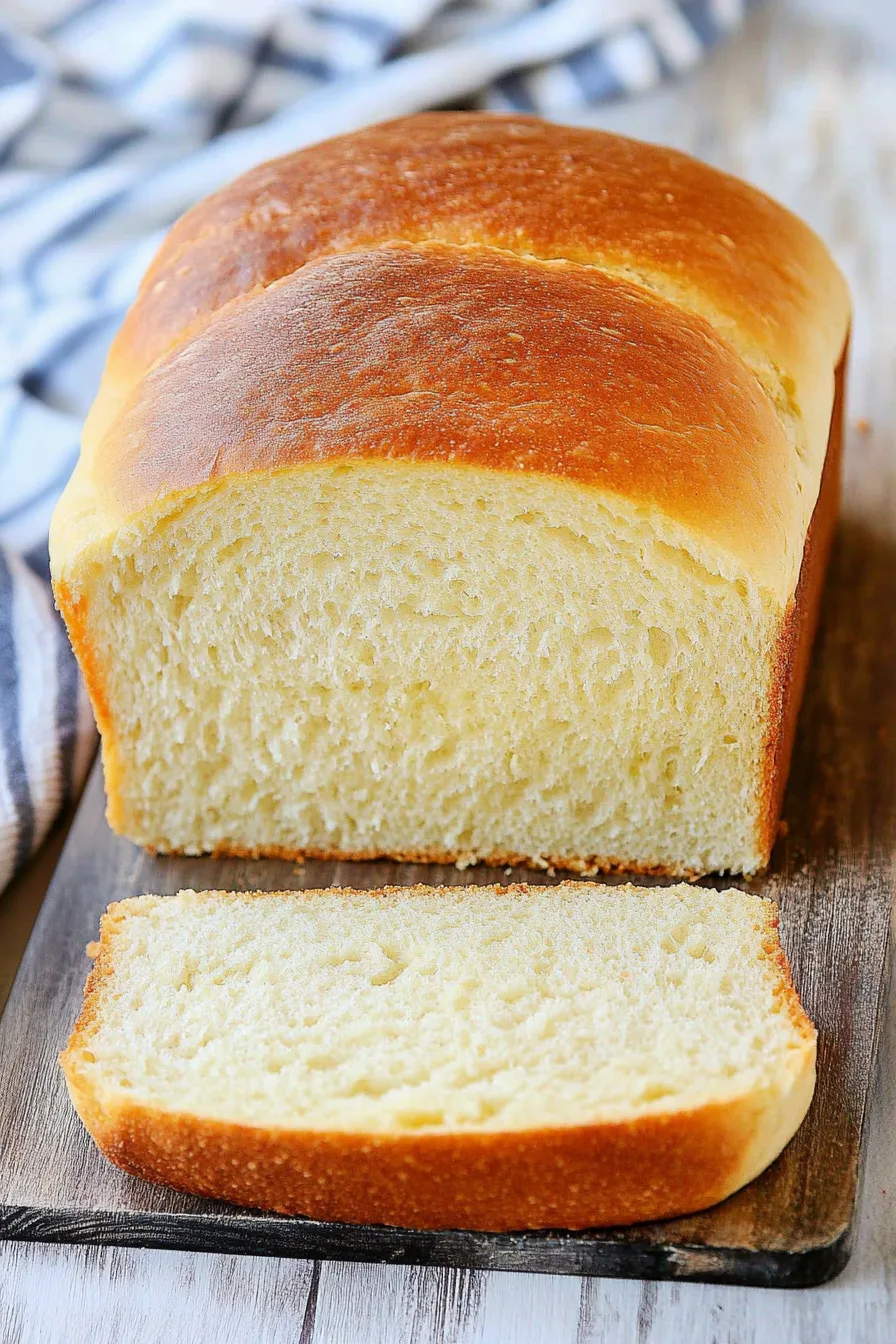
Potato Bread Recipe
A soft and hearty homemade potato bread made with mashed floury potatoes, whole wheat flour, and a touch of butter—perfect for loaves and rolls.
Servings
Ingredients
- 4 medium to large floury potatoes such as Idaho, Russet, or Yukon Gold, peeled and cut into chunks (approximately 8 to 16 oz total)
- 4 cups water for boiling potatoes; reserve cooking water
- 1 tablespoon plus 1 teaspoon salt divided
- 2 teaspoons active dry yeast
- 6 ½ to 8 ½ cups unbleached all-purpose flour
- 1 tablespoon unsalted butter softened
- 1 cup whole wheat flour
Instructions
Cook the Potatoes
- In a medium saucepan, place the peeled and chopped potatoes with 4 cups of water. Bring to a boil, add 1 teaspoon of salt, and cook, partially covered, until the potatoes are very tender—approximately 20 to 25 minutes.
Prepare Potato Base
- Drain the potatoes, reserving the cooking liquid. Mash the potatoes thoroughly until smooth. Measure out 3 cups of the reserved potato water (adding fresh water if necessary to reach this amount). Combine the mashed potatoes and measured water in a large mixing bowl. Allow the mixture to cool to a lukewarm temperature (70–80°F).
Activate the Yeast
- In a small cup, stir the yeast into 1 cup of the lukewarm potato water. Let the yeast sit for 5 minutes, or until foamy. Pour the activated yeast into the cooled potato mixture.
Begin Dough Formation
- Add 2 cups of all-purpose flour to the mixture and stir. Allow it to rest for 3 to 4 minutes. Then, add the remaining 1 tablespoon of salt, the softened butter, and the whole wheat flour. Stir until combined.
Continue Incorporating Flour
- Add 2 more cups of the all-purpose flour, mixing until fully incorporated. Transfer the dough to a floured work surface.
Knead the Dough
- Knead the dough by hand for approximately 10 minutes, gradually adding flour as needed to prevent sticking. The dough will be sticky at first but should become more manageable as flour is absorbed. A dough scraper is helpful to maintain a clean surface. The dough will remain soft even after kneading.
First Rise
- Place the kneaded dough in a clean, lightly greased bowl or container. Cover with plastic wrap or a lid and allow it to rise in a warm area for approximately 2 hours, or until doubled in volume.
Shape the Dough
- Once risen, turn the dough onto a floured surface and knead gently for 3 to 4 minutes. Divide the dough into two unequal portions—approximately one-third and two-thirds. Set the smaller piece aside, covered.
Prepare the Loaf
- Lightly butter a 9 x 5 x 2.5-inch loaf pan. Flatten the larger portion of dough into a 12 x 8-inch oval, then roll it from the shorter end to form a loaf. Pinch the seam closed and place seam-side down in the prepared pan. The loaf should fill about three-quarters of the pan height. Cover with plastic wrap and allow it to rise for 35 to 45 minutes, or until nearly doubled.
Shape the Rolls
- Butter a 13 x 9-inch sheet cake pan. Divide the remaining dough into 12 equal pieces. Shape each into a ball and place them on the pan, leaving ½ inch between each. Cover with plastic wrap and let rise for 35 minutes, or until puffy.
Bake the Bread and Rolls
- Preheat the oven to 450°F. Dust the risen dough with flour or brush with melted butter. Score the top of the loaf with 2 to 3 shallow slashes using a sharp knife. Immediately place both pans into the oven. Bake at 450°F for 10 to 15 minutes, then reduce the oven temperature to 375°F.
- For rolls: Bake for about 30 minutes or until golden brown.
- For the loaf: Bake for about 50 minutes. Once done, remove the loaf from the pan and return to the oven on a baking sheet for an additional 5 to 10 minutes. The bread should sound hollow when tapped on the bottom and feel firm at the corners.
Cool the Bread
- Transfer rolls to a cooling rack immediately. Cool the loaf for at least 30 minutes before slicing. Rolls may be served warm or at room temperature.
Notes
To make this recipe gluten-free, substitute the all-purpose and whole wheat flours with a high-quality gluten-free flour blend that includes xanthan gum. You may need to reduce the total amount slightly, as gluten-free flours absorb moisture differently. Dough texture may vary, so handle gently and do not over-knead. Expect a denser but still flavorful loaf.