


Cornmeal, milk, eggs, butter, sugar, and baking powder come together in this Colonial Spoon Bread Recipe—warm, fluffy, and timeless.
The first time I stumbled across a Colonial Spoon Bread Recipe, I’ll be honest—I rolled my eyes. My brain instantly pictured something stodgy, the kind of dish you’d politely choke down at a historical reenactment while pretending to enjoy it. You know, like when you visit one of those old-timey villages and everyone’s in costume, churning butter and asking if you want to “try your hand at the loom.” Sound familiar?


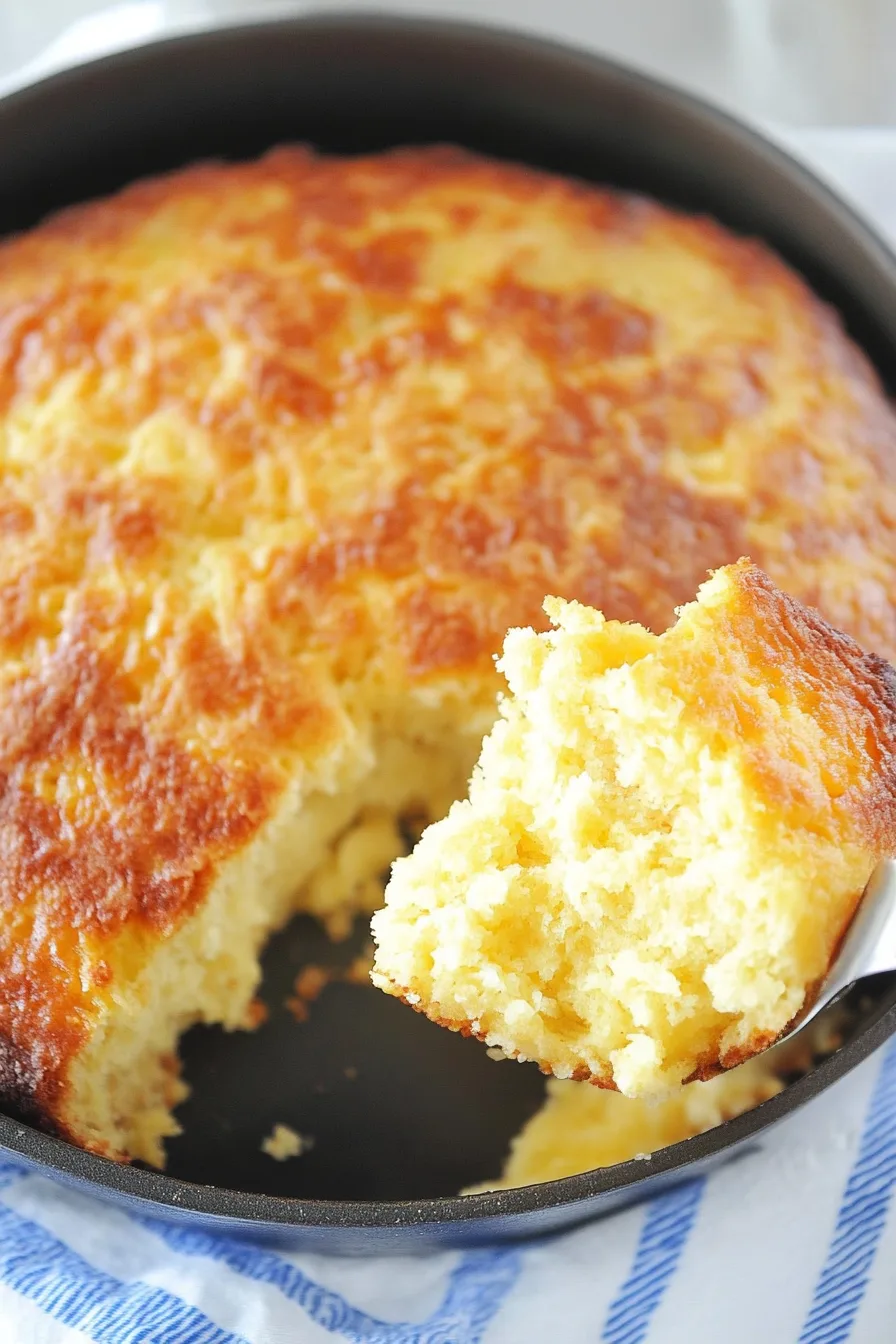
But here’s the twist—I tried it. And it blew me away. The smell alone—cornmeal bubbling with butter and milk—made me pause mid-thought. It was like my kitchen transformed into a cozy tavern, minus the powdered wigs and questionable hygiene. I spooned out a serving, and the texture caught me off guard: fluffy, custardy, not crumbly at all. My husband said, “This is basically cornbread’s cooler cousin,” which made me laugh because he’s usually the guy who asks, “Wait, what’s for dinner again?”
And you know what? I kinda like that it’s called Colonial Spoon Bread. There’s something fun about making a recipe that’s been around for 250 years. It’s like time traveling, except instead of listening to fife music, you’re just cozy on the couch with a plate of this warm, buttery stuff.
Why You’ll Love This Colonial Spoon Bread Recipe?
Here’s the thing about spoon bread: it’s not perfect. And that’s why I love it. Some days it comes out extra fluffy, other days it’s a little denser, depending on how generous I am with the butter (answer: very). But that unpredictability? It’s part of the charm.
Compared to cornbread, which can be a little dry and bossy with its crumbs, spoon bread is soft, warm, and basically begs for you to scoop it up with a spoon—no knives required. It’s rustic but also kind of elegant. I’ve put it out at Thanksgiving and watched my family argue over who gets the last spoonful, but I’ve also made it on a random Wednesday night just to go with chili. It fits in both worlds, which is rare.
Plus—it’s cheap. Seriously, the ingredients are the kind of thing you already have in your pantry. Cornmeal, milk, eggs, butter. Nothing that requires hunting down at some specialty store. And yet it feels special. That’s the magic.
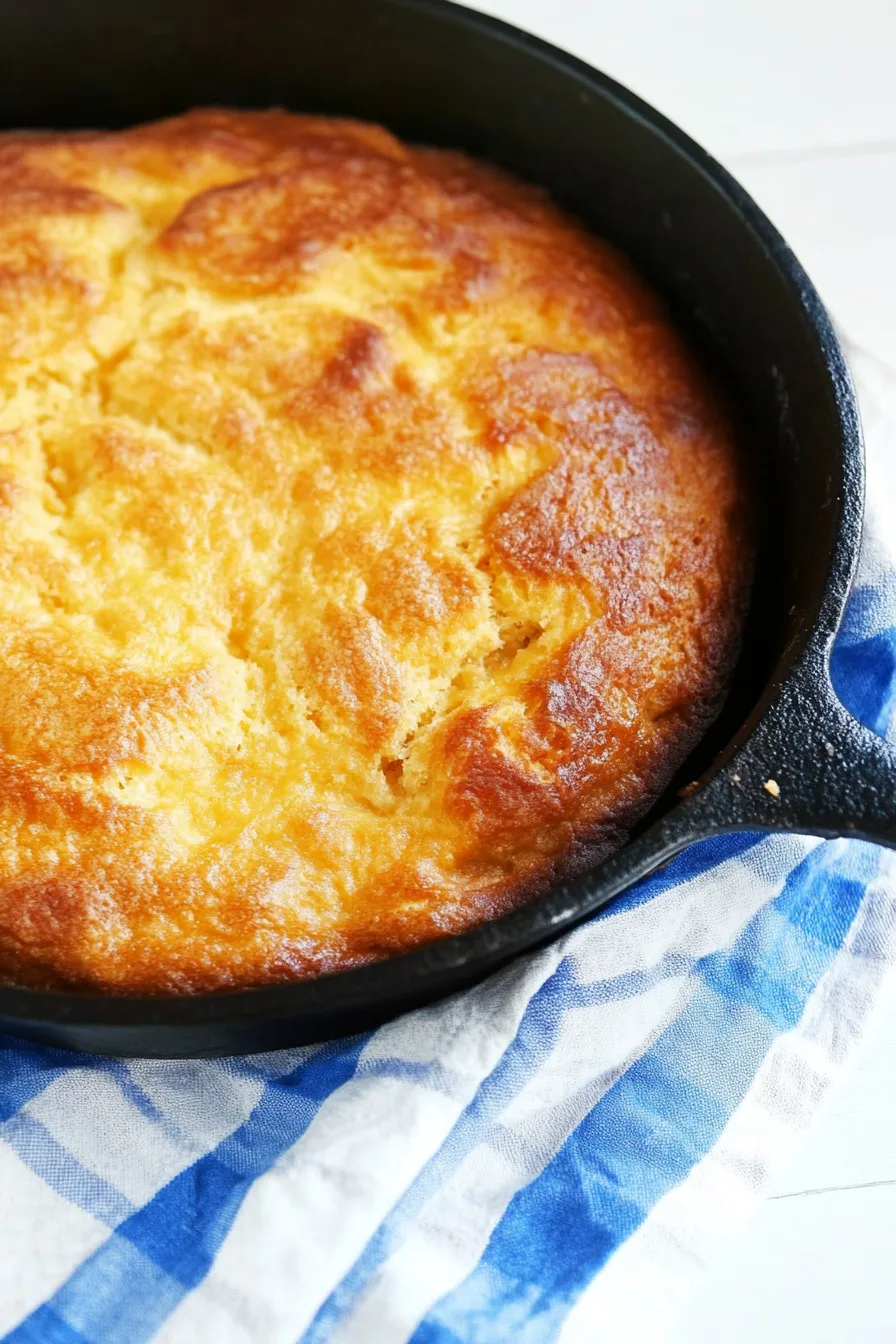
Ingredient Notes:
Here’s the lineup for this Colonial Spoon Bread Recipe, and why each one matters:
-
Cornmeal: The heart of it all. Yellow cornmeal gives the best color and flavor. I tried white once… it was fine, but not “sing from the rooftops” good.
-
Milk & Water: Whole milk adds richness. Skim? Meh. It’ll work, but it won’t make your spoon bread sing.
-
Butter: Don’t skimp here. Two tablespoons in the mix, then more on top when it’s warm. Honestly, that melty butter moment might be my favorite part.
-
Eggs: These keep things fluffy. Without them, you’d basically have corn mush.
-
Baking Powder: A little modern cheat that our colonial pals didn’t have. It helps the bread puff up nicely.
-
Salt & Sugar: Just a touch of each. I’ve tinkered with the sugar before—added a smidge more once, and it turned the whole thing into dessert territory. Not mad about it.
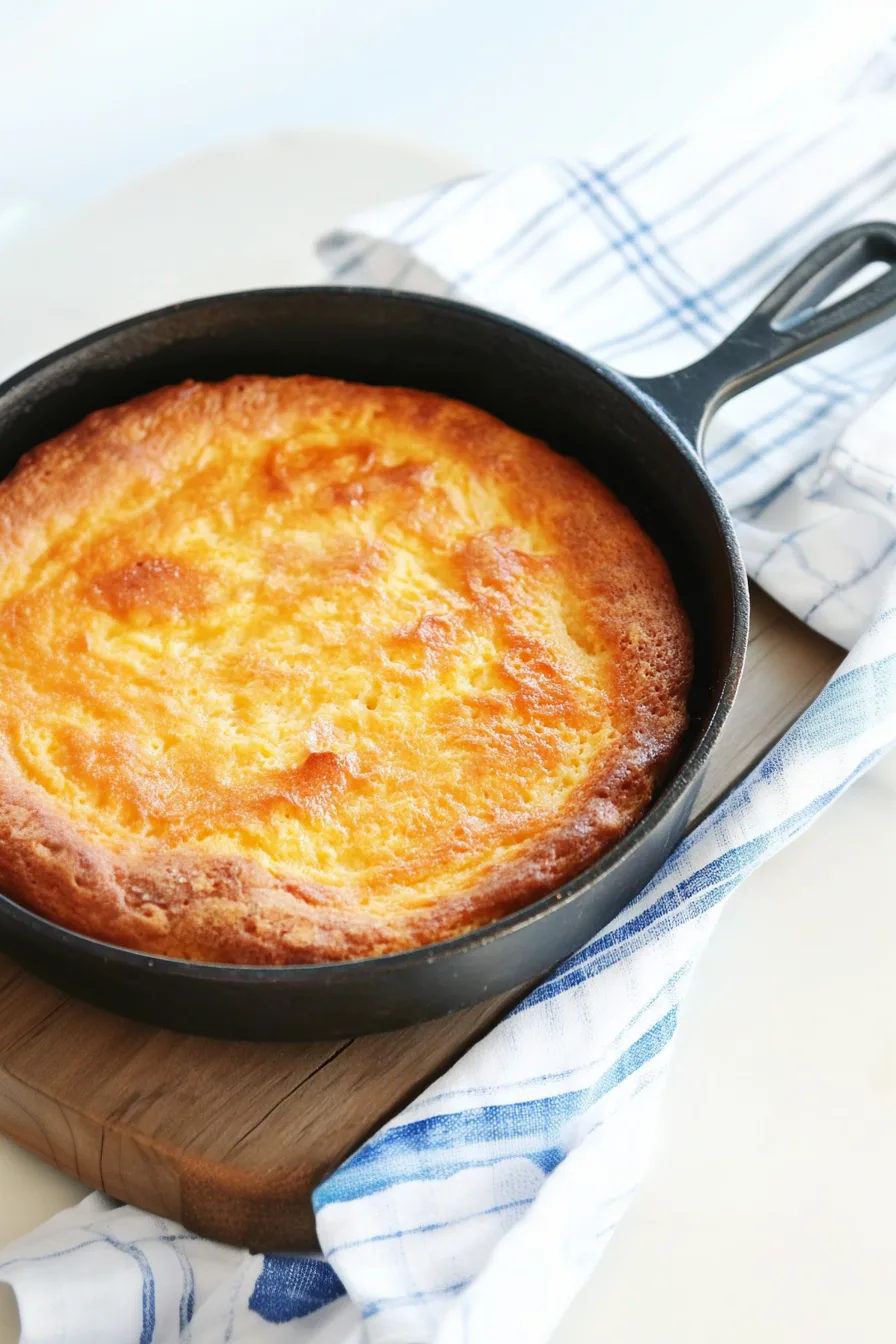
How To Make Colonial Spoon Bread?
Alright, let’s break it down—because nothing kills the mood like confusing instructions.
Step 1: Preheat & prep. Oven at 350°F, dish greased generously. This is not the time to be stingy with butter or oil.
Step 2: Make the base. Heat the milk and water, whisk in cornmeal, salt, sugar, and butter. It thickens fast, like oatmeal. And don’t panic if it looks lumpy at first—it smooths out.
Step 3: Let it rest. Give it a 5-minute cool down. Learned the hard way that if you skip this, the eggs cook on contact and you end up with weird scrambled bits.
Step 4: Whip the eggs. Eggs + baking powder = fluffy magic. I never skip this. It feels unnecessary until you taste the difference.
Step 5: Combine. Fold the fluffy eggs into the cornmeal base. Don’t overthink it. A few streaks are fine.
Step 6: Bake. Into the dish it goes, bake for about 45 minutes. The edges will brown, and the middle should have just a slight jiggle when you tap the pan.
Step 7: Serve warm. This is non-negotiable. Add butter, cinnamon sugar, or maple syrup if you’re feeling adventurous.
Want To Save This Recipe?
Storage Options:
Let’s be real—this doesn’t usually last long. But if by some miracle you have leftovers, here’s what I do: cover and refrigerate for 2–3 days. Reheat in the oven if you want that crispy edge again. Microwave is fine too, though you’ll sacrifice a little texture. Freezing? Eh… I tried it once, and it just wasn’t the same. The colonists didn’t have freezers anyway, so maybe we should just respect the tradition and eat it fresh.
Variations and Substitutions:
This Colonial Spoon Bread Recipe is forgiving and loves a little experimentation. Some ideas:
-
Add shredded cheddar or parmesan—makes it rich and savory.
-
Stir in corn kernels for a little bite.
-
Swap milk for buttermilk if you like tangy.
-
Throw in jalapeños if you’re in the mood for spice.
-
Sweet tooth? Drizzle honey or maple syrup on top.
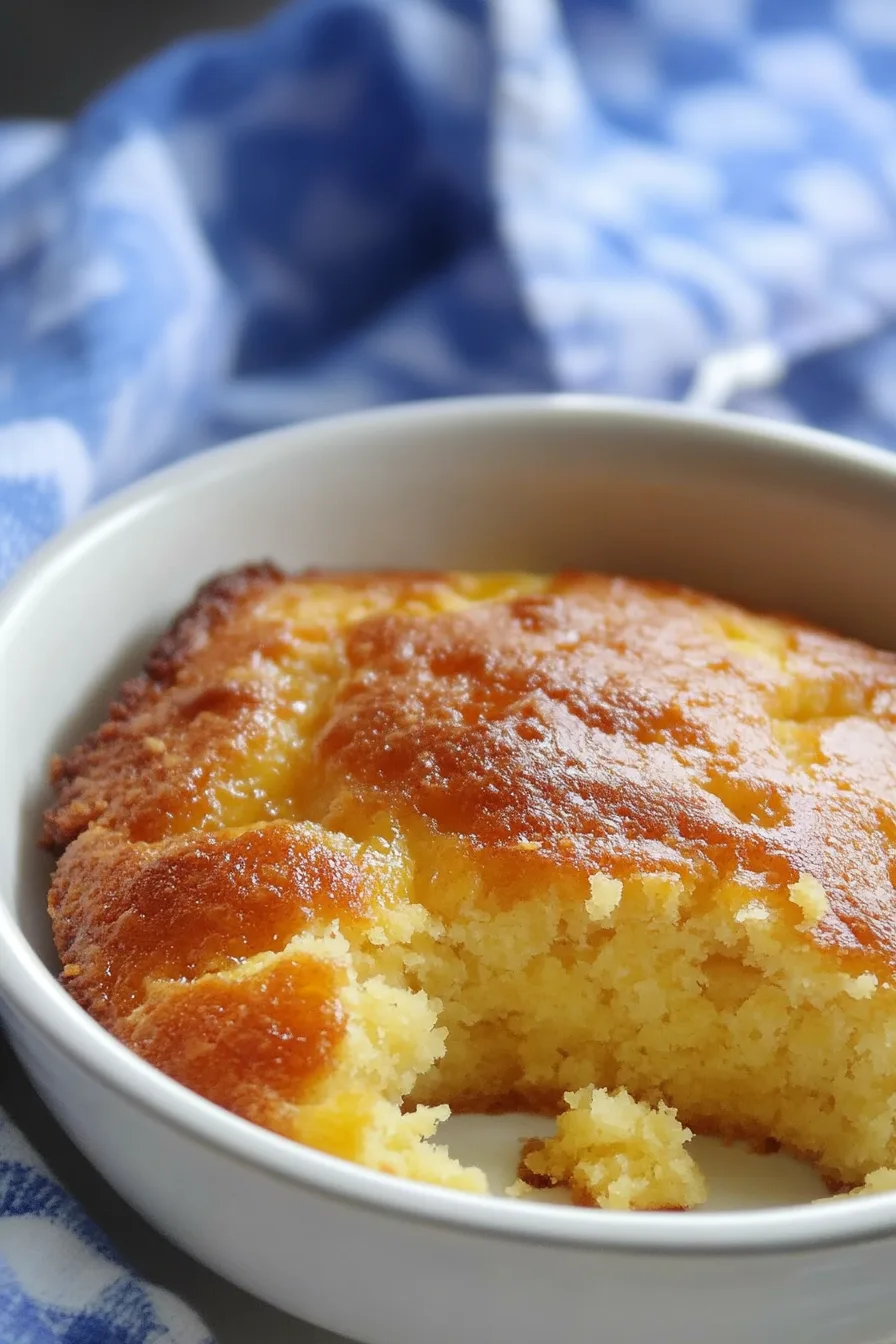
What to Serve with Colonial Spoon Bread?
I like to think of spoon bread as a supporting actor—it makes everything else taste better.
-
Roasted chicken or turkey—it soaks up those juices like a champ.
-
BBQ ribs or pulled pork—because smoky + creamy is just… yes.
-
A big pot of chili—probably my favorite pairing.
-
Or solo, with butter and honey, when you’re in need of pure comfort food.
Frequently Asked Questions:
Can I make this ahead?
Yep! Mix it all up, cover, and refrigerate. When you’re ready, bake it. Just tack on 5–10 extra minutes.
Is spoon bread just cornbread?
Not really. Cornbread is drier and crumbly, spoon bread is soft and custardy. Think of it as cousins, not twins.
Can I use skim milk?
You can, but honestly? Whole milk makes a big difference. Skim works in a pinch, but it won’t wow you.
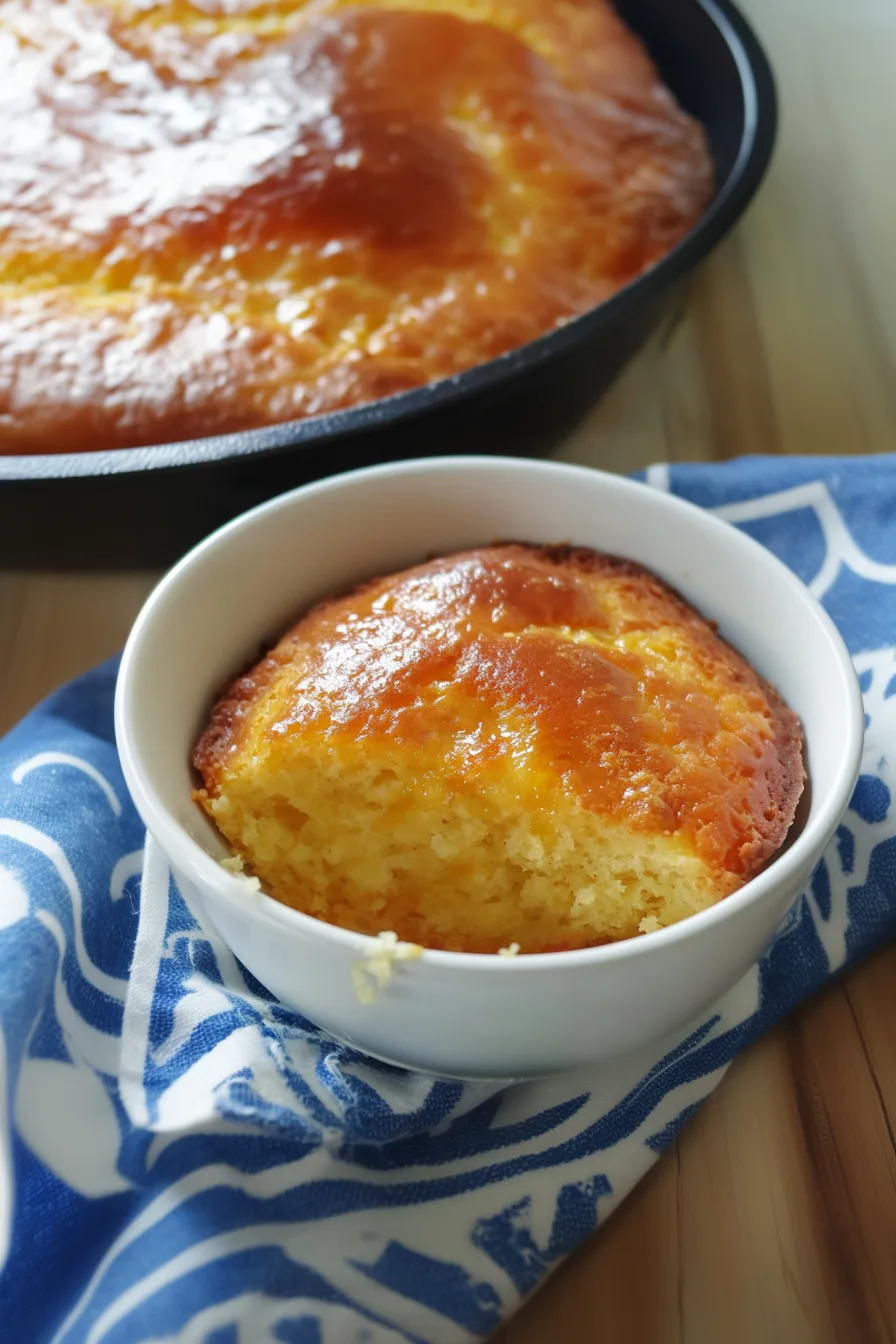
So there you go. A dish that’s been around for over two centuries, still making people happy. I love that. It’s like a little edible piece of history, but one that doesn’t taste like homework.
What do you think—are you going to give this Colonial Spoon Bread Recipe a try? I’d love to hear if your family digs in the way mine did.
Keep the Flavor Coming – Try These:
Colonial Spoon Bread Recipe
Ingredients
- 1 ½ cups water
- 2 cups whole milk
- 1 ½ cups cornmeal
- 1 ¼ teaspoons salt
- 1 ½ teaspoons sugar
- 2 tablespoons unsalted butter plus additional for serving
- 3 large eggs
- 1 tablespoon baking powder
Instructions
- Preheat the oven to 350°F (175°C). Generously grease a 9x9-inch baking dish or a 9-inch round cast iron skillet.
Prepare the base mixture.
- In a medium saucepan over medium-high heat, bring the water and milk to a simmer. Gradually whisk in the cornmeal, salt, sugar, and butter. Continue stirring until the mixture thickens, approximately 3 minutes.
Allow the mixture to cool.
- Remove the pan from heat and let it rest for 5 minutes to avoid curdling the eggs when combined.
Prepare the eggs.
- In a separate bowl, whisk together the eggs and baking powder until light and frothy.
Combine mixtures.
- Gently fold the egg mixture into the cornmeal base until the batter is uniform in color and consistency.
Bake.
- Pour the batter into the prepared dish and transfer to the oven. Bake for 45–50 minutes, or until the spoon bread is set in the center and the edges are golden. Cover loosely with foil if the top begins to brown too quickly.
Serve.
- Remove from the oven and allow to cool briefly. Dot with additional butter before serving. Serve warm, optionally topped with cinnamon sugar, maple syrup, or fruit.
Notes
I’m Bitty, owner of nodashofgluten.com, where I share simple, delicious recipes for all tastes, including gluten-free. Check out my “About Me” page for more info!