


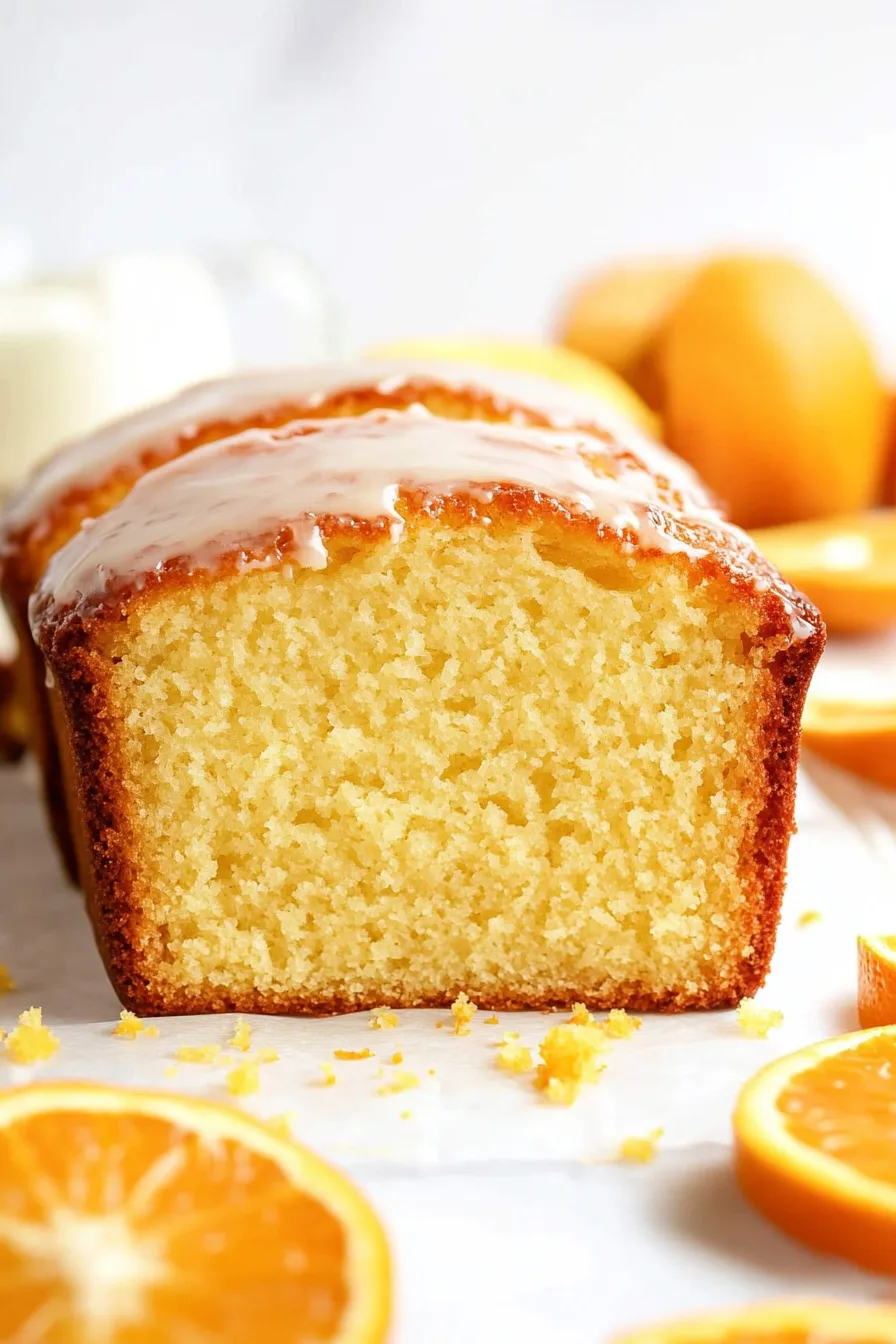
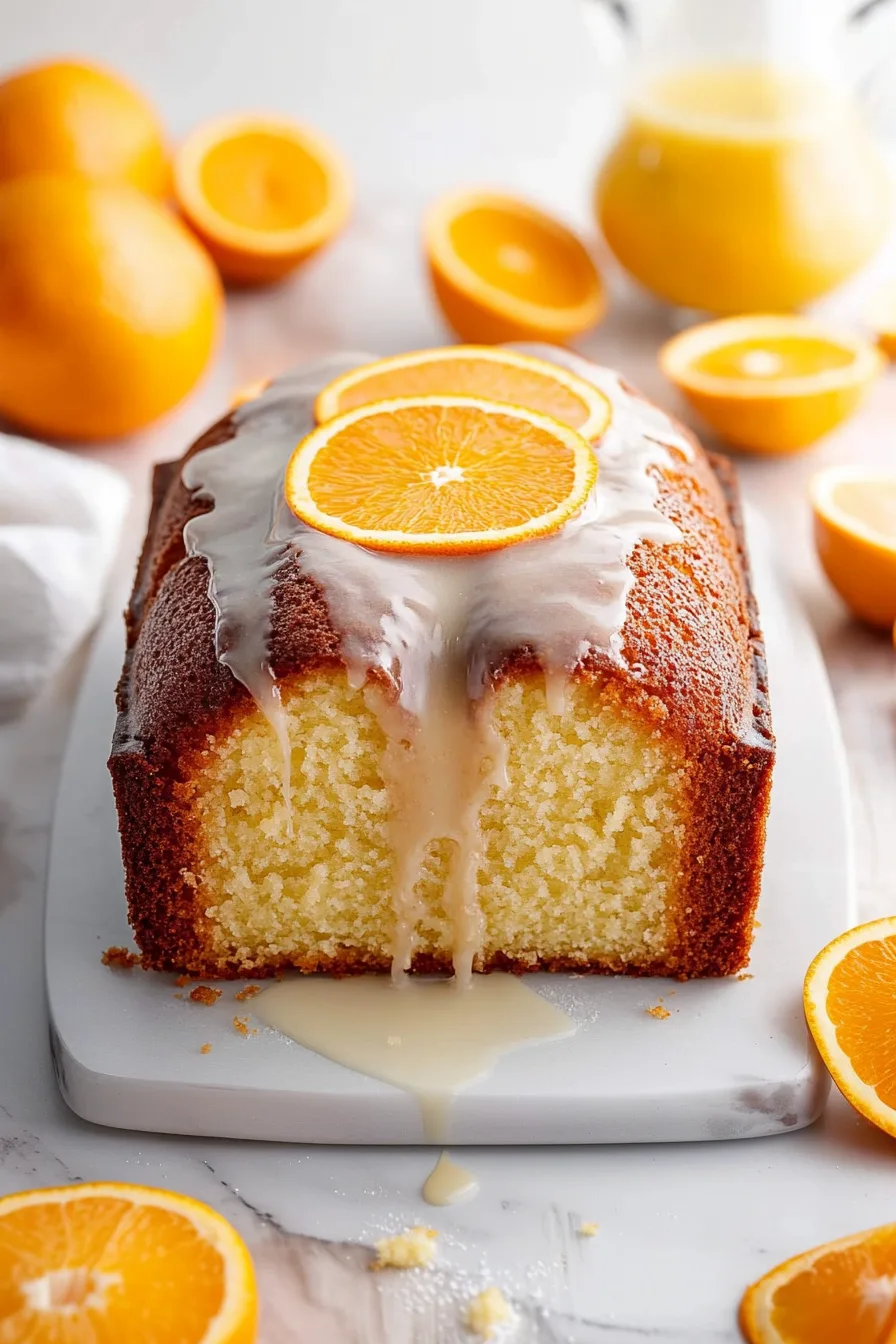
Orange pound cake made with butter, sugar, eggs, orange zest, buttermilk, and orange glaze. Soft, citrusy, and perfect with coffee.


So here’s a thing: I first made this Orange Pound Cake on a total whim. I had this bag of oranges—one of those massive Costco nets that somehow always go bad before I use them—and I panicked. I hate wasting food. I think I was watching The Great British Bake Off and suddenly thought, I bet I could bake something orangey… maybe like a loaf? That was the beginning.
The first loaf? Not gonna lie—it was a little dry, and I definitely overbaked it. I also didn’t have buttermilk, so I did that weird trick where you add vinegar to milk and just hope it doesn’t taste funky. It worked (somehow), and by round two, I was hooked. My kitchen smelled like sunshine, and the glaze… oof, don’t even get me started. I licked the spoon like a kid sneaking frosting off the cake before it’s served. This cake isn’t just good. It feels good—like sitting by the window on a Sunday morning, coffee in one hand, warm loaf in the other.
Why You’ll Love This Orange Pound Cake Recipe?
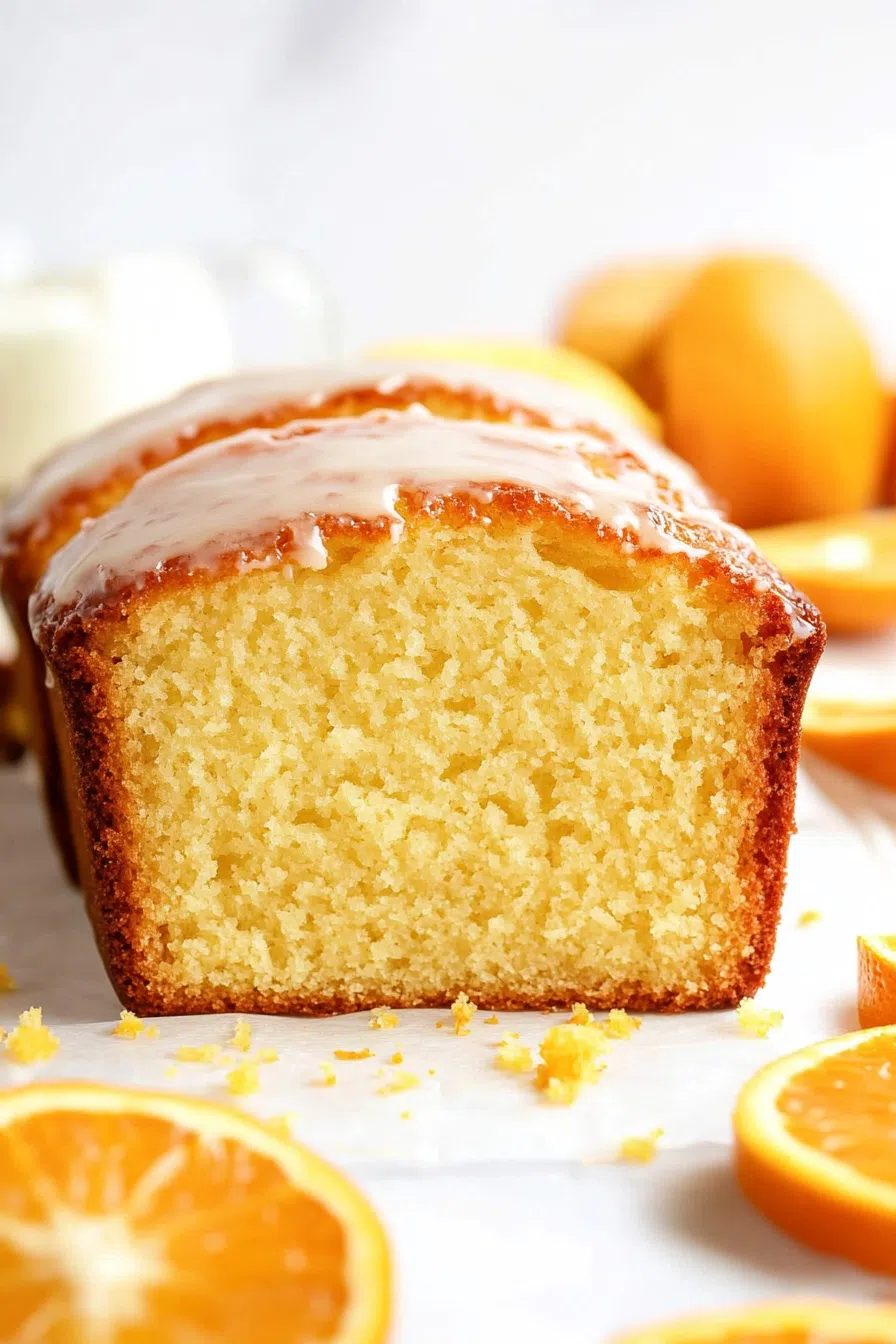
Okay, let’s cut to it. You’ve probably tried pound cake before, right? Some are dry. Some are weirdly bland. This one? It sings. You get bright, fresh orange in every bite. The crumb is soft but not mushy. It’s got weight—like a proper pound cake should—but without the heavy brick feeling. And the orange syrup? That’s where the magic lives. It soaks in and makes the whole thing taste like citrus velvet. It’s the kind of cake that works for brunch, afternoon tea, or honestly, late-night fridge raids in your pajamas.
Ingredient Notes:
This cake isn’t fussy. It’s a little old-school, a little “grandma knew what she was doing,” and full of ingredients that probably live in your pantry already. Here’s why each one matters:
-
Unsalted Butter (2 sticks): Soft, rich, and makes the crumb tender. Don’t sub margarine. Please. Just don’t.
-
Granulated Sugar (2 cups): Sweetens, obviously—but it also helps create that golden crust.
-
Eggs (extra-large, 4): They bind it all together and give it body. Room temp eggs mix in easier—don’t skip that step.
-
Orange Zest (from 6 oranges!): This is the soul of the cake. It adds fragrance and depth. Yes, it’s a lot. No, it’s not too much.
-
Flour (3 cups): All-purpose is perfect. Sift if you can. Or don’t. I don’t always. Depends on my mood.
-
Baking Powder & Baking Soda: Both matter here. They help balance the dense batter so it doesn’t sit like a brick.
-
Kosher Salt (1 tsp): Cuts the sweetness just enough. Plus, I think it makes citrus taste even brighter.
-
Orange Juice (fresh!): Fresh juice is non-negotiable. Don’t reach for that store-bought concentrate. It’s just… not it.
-
Buttermilk (¾ cup): Makes the cake unbelievably soft. That slight tang balances all the sweet.
-
Vanilla Extract: Adds warmth. Think of it like a background singer—it makes the whole thing better.
For the syrup and glaze?
Just orange juice and sugar. You don’t need anything fancy. Simple = best.
How To Make Orange Pound Cake?
- First things first—prep your pans.
You’ll need two 9×5-inch loaf pans. Grease them, flour them, and line the bottom with parchment. I know it sounds like a lot, but trust me—trying to dig a stuck cake out of a pan is soul-crushing. Just line it. - Now beat the butter and sugar.
In your stand mixer (or handheld if you’re feeling strong), cream the butter and sugar until it’s light and fluffy. Give it five full minutes. Your arms might get tired, but it’s worth it. Add in the eggs one at a time, then toss in that glorious orange zest. It’ll smell like summer in your kitchen. - Mix up your dry and wet ingredients.
In one bowl, whisk the flour, baking powder, baking soda, and salt. In another? Stir together the orange juice, buttermilk, and vanilla. Alternate adding the dry and wet into the butter mixture. Start and end with the dry. It’ll look thick. That’s what you want. - Pour and bake.
Divide the batter between the pans, smooth out the tops, and bake at 350°F for 40–50 minutes. My oven’s moody, so I usually check at 42 minutes. You want a toothpick in the center to come out clean, but not dry. - Make the syrup while it bakes.
Heat orange juice and sugar in a small pot until the sugar dissolves. It’s not fancy—it’s just pure flavor in a saucepan. - Syrup soak = game changer.
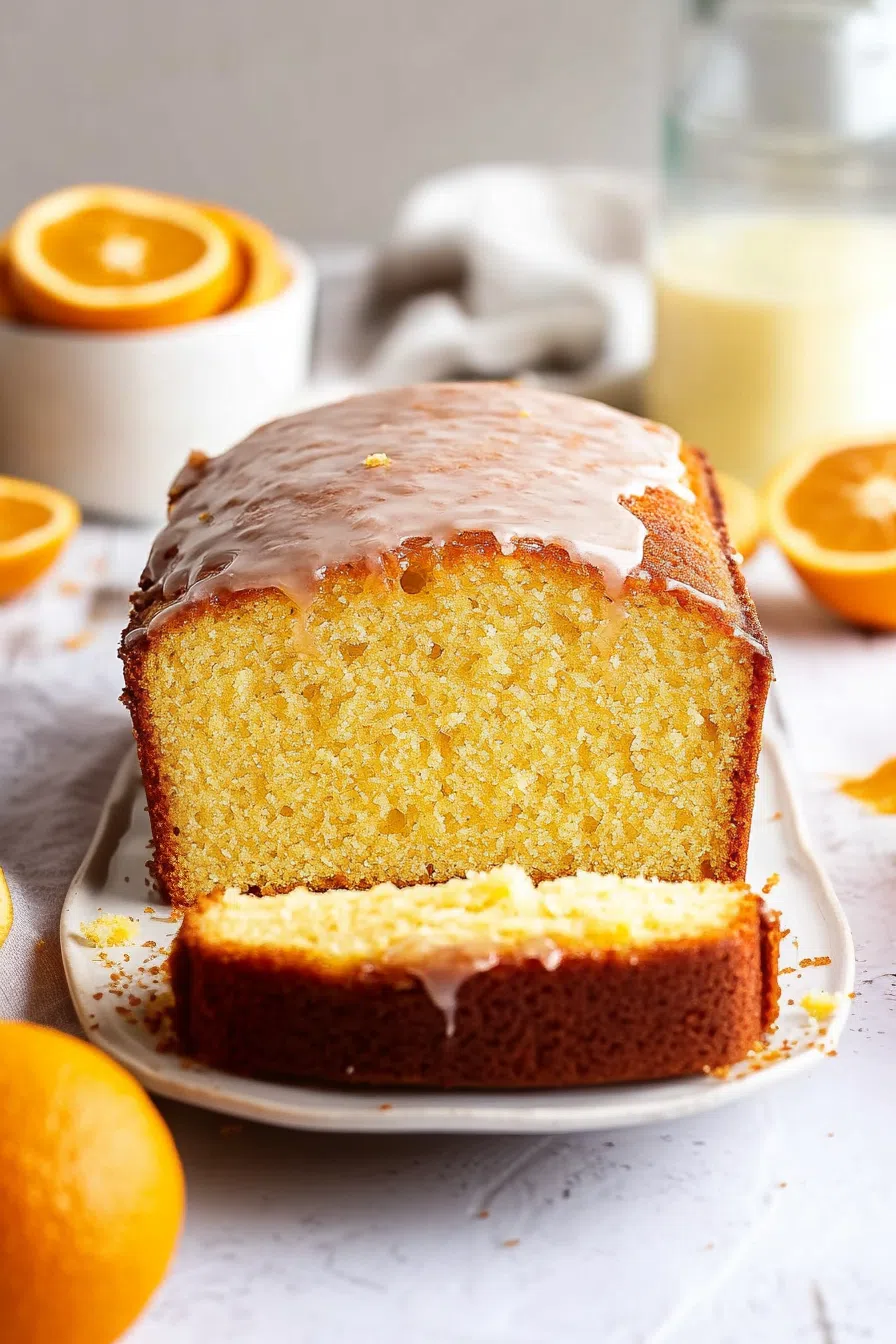
Once the cakes come out, let them cool for 10 minutes. Then poke them with a toothpick like you’re mad at them, and brush the syrup all over the top and sides. Then do it again. Let it sink in. That’s how it stays moist. - Now the glaze.
Mix powdered sugar and orange juice until it’s pourable but thick. Think pancake syrup consistency. Drizzle it generously over the cooled cakes and let it drip down the sides. It’ll firm up in about 15 minutes, if you can wait that long.
Storage Options:
Wrap it up in foil or plastic wrap and it’ll keep on the counter for 2–3 days. Want it to last longer? Pop it in the fridge for up to a week. You can freeze it—just skip the glaze, wrap the loaves tightly, and freeze for up to 3 months. Thaw and glaze when ready to serve.
Variations and Substitutions:
-
No buttermilk? Use regular milk + a teaspoon of lemon juice or vinegar.
-
Love lemon? Add lemon zest too—makes it a citrus party.
-
Want crunch? A handful of chopped walnuts or pistachios never hurt anybody.
-
No zesting tools? Use the fine side of a box grater (gently!)
-
Want it gluten-free? Sub your favorite 1:1 GF flour mix. Just don’t overmix the batter.
Want To Save This Recipe?
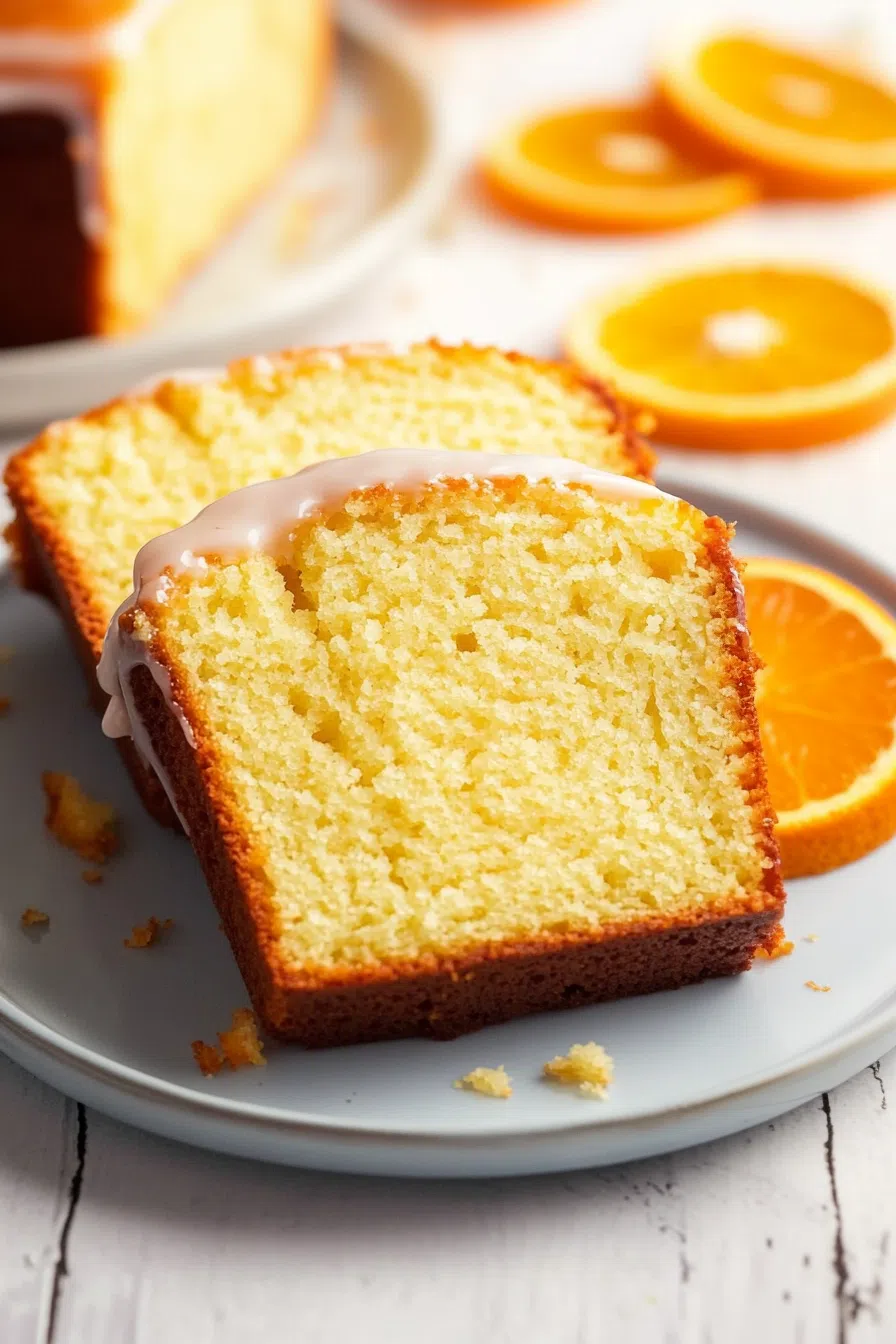
What to Serve with Orange Pound Cake?
-
A hot mug of Earl Grey or a frothy cappuccino
-
Fresh berries, especially strawberries or raspberries
-
A dollop of whipped cream if you’re feeling fancy
-
Even a scoop of vanilla ice cream if it’s a warm day and you’re living your best life
Frequently Asked Questions:
Can I use bottled orange juice?
Sure, if you’re desperate. But fresh juice makes a huge difference, I promise.
Can I make it in one big pan?
Yep! Just adjust the baking time and keep an eye on the middle.
What if I want it less sweet?
Skip the glaze or reduce the sugar slightly in the batter—or both. But hey—it’s cake.
If sunshine had a flavor, this Orange Pound Cake would be it. It’s bright and buttery, and just the right kind of nostalgic. It’s not trying to be trendy—it’s just solid, classic comfort in loaf form.
So what do you think? You in? Try it out, tweak it, eat it straight from the pan—I won’t judge. And if you do end up making it, please tell me how it goes. I wanna know if it brought your kitchen the same kind of cozy, citrus-scented joy it brought mine.
Let’s call this one a keeper.
Keep the Flavor Coming – Try These:
Orange Pound Cake
Ingredients
For the Cake
- 1 cup 2 sticks unsalted butter, softened
- 2 cups granulated sugar
- 4 extra-large eggs at room temperature
- 1/3 cup grated orange zest from approximately 6 oranges
- 3 cups all-purpose flour
- 1/2 teaspoon baking powder
- 1/2 teaspoon baking soda
- 1 teaspoon kosher salt
- 1/4 cup freshly squeezed orange juice
- 3/4 cup buttermilk at room temperature
- 1 teaspoon pure vanilla extract
For the Orange Syrup
- 1/2 cup freshly squeezed orange juice
- 1/2 cup granulated sugar
For the Orange Glaze
- 2 cups confectioners’ sugar sifted
- 4 to 6 tablespoons freshly squeezed orange juice
Instructions
Preparation of Pans
- Preheat the oven to 350°F (175°C). Grease and flour two 9 x 5-inch loaf pans. Line the bottoms with parchment paper for easier removal.
Creaming Butter and Sugar
- In a stand mixer fitted with the paddle attachment, cream the butter and sugar together on medium speed until light and fluffy, approximately 5 minutes.
Incorporating Eggs and Zest
- With the mixer running, add the eggs one at a time, ensuring each is fully incorporated before adding the next. Add the orange zest and mix to combine.
Mixing Dry and Wet Ingredients Separately
- In a large mixing bowl, sift together the flour, baking powder, baking soda, and salt. In a separate bowl, combine the orange juice, buttermilk, and vanilla extract.
Combining Batter
- Alternately add the flour mixture and buttermilk mixture to the creamed butter, beginning and ending with the flour. Mix until just combined. Do not overmix.
Baking
- Evenly divide the batter between the two prepared pans. Smooth the tops and bake for 40 to 50 minutes, or until a toothpick inserted in the center comes out clean.
Preparing Orange Syrup
- While the cakes are baking, combine the orange juice and sugar in a small saucepan over medium heat. Stir until the sugar dissolves completely. Simmer for an additional 3 minutes and then remove from heat.
Applying Syrup
- Once the cakes are out of the oven, allow them to cool in their pans for 10 minutes. Carefully transfer them to a wire rack placed over a baking sheet. Use a toothpick to gently poke holes in the tops and sides, then brush generously with the prepared syrup. Repeat once more after the syrup is absorbed.
Making and Applying Glaze
- In a medium bowl, whisk together the sifted confectioners’ sugar and 4 tablespoons of orange juice. Add more juice, one tablespoon at a time, until the glaze reaches a thick but pourable consistency. Drizzle the glaze over the cooled loaves and allow it to set for at least 15 minutes before serving.
Notes

I’m Bitty, owner of nodashofgluten.com, where I share simple, delicious recipes for all tastes, including gluten-free. Check out my “About Me” page for more info!