


Italian Panettone Bread Recipe with flour, eggs, butter, candied fruit, and citrus zest—a festive bread that feels like Christmas in every bite.


When I think of Christmas mornings, I don’t picture presents first—I picture panettone. Funny, right? The first time I had it wasn’t even in Italy. It was in my aunt’s kitchen, wrapped in one of those crinkly paper molds that looked like it had traveled across the ocean just to sit on her table. She sliced into it, handed me a piece, and I swear the smell alone—sweet, buttery, citrusy—was enough to stop me in my tracks.
Over the years, I’ve tried a lot of variations. Some were great, some… let’s just say dense enough to use as a doorstop. But once I learned how to make this Italian Panettone Bread Recipe at home, something clicked. It wasn’t just about getting the dough right—it was about the tradition, the memory, the way it made the whole house feel warm and festive. Honestly, I don’t think Christmas would feel complete without it now.
Why You’ll Love This Italian Panettone Bread Recipe?
Here’s the thing about panettone: it’s not just bread. It’s like the holiday spirit baked into a loaf. Tall, golden, studded with candied fruit and citrus zest—it looks fancy but still feels cozy. And making it yourself? That’s the best part. You get that incredible smell wafting through your kitchen, the satisfaction of watching it rise taller than you thought possible, and the joy of seeing everyone’s face when you slice into it.
Also, panettone doubles as a Christmas gift. Wrap it in cellophane, tie a ribbon on top, and boom—you’re suddenly the relative who “went all out.” Even if the truth is you were just playing in flour for half the afternoon.
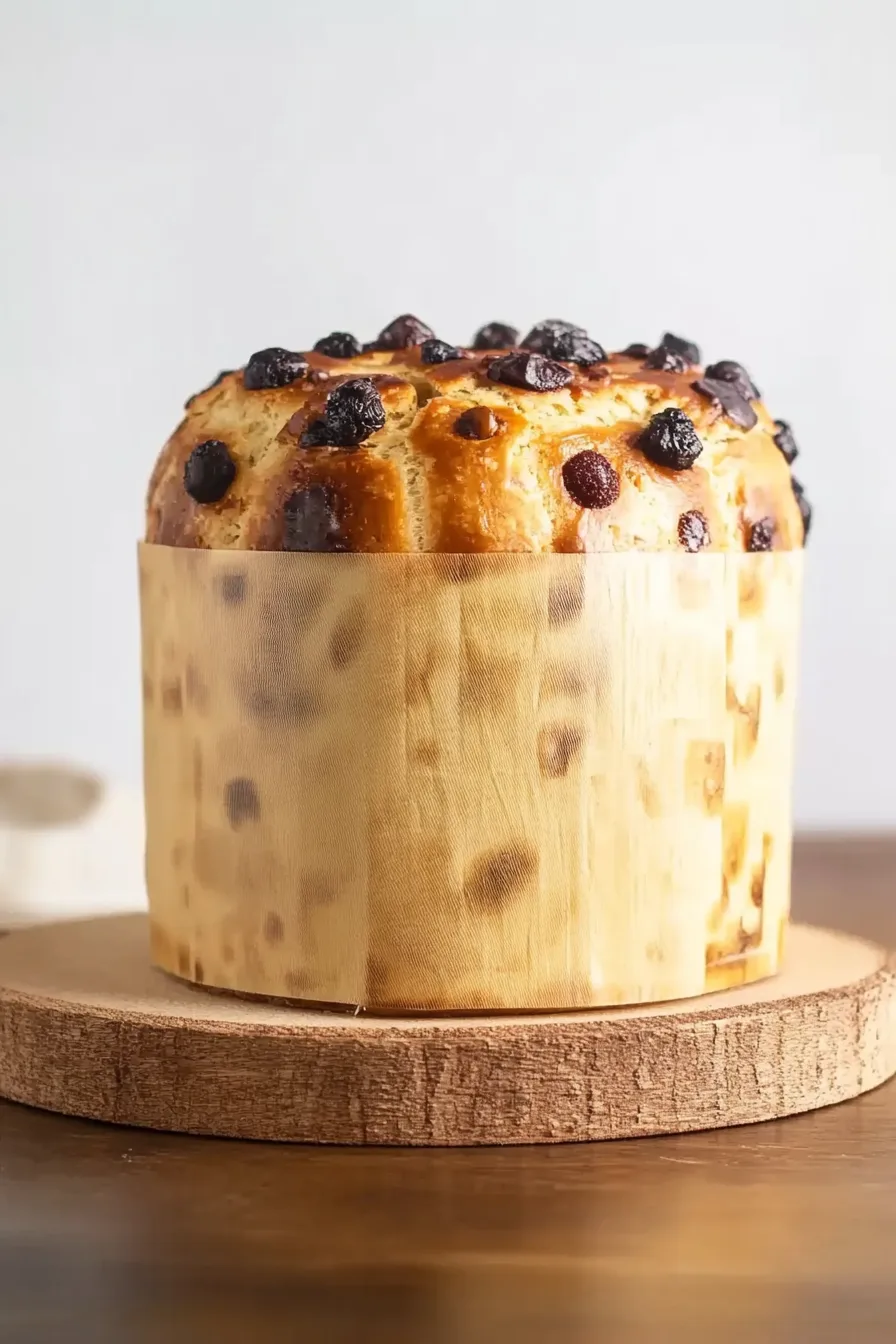
Ingredient Notes:
Every ingredient here has its own little job to do—and if you’ve ever wondered why, let me break it down:
-
Yeast + Warm Milk/Water: The heartbeat of this bread. Without it, you’re eating a brick. And yes, water that’s too hot will murder your yeast. Been there.
-
Flour: Bread flour makes it a little chewier. If all you’ve got is all-purpose, no one’s going to call the Panettone Police.
-
Eggs & Yolks: Think of these as the “holiday butter yellow” boosters. They add richness and that golden crumb.
-
Sugar: Sweet enough to feel like dessert, but not cloying. This is bread that wants to be classy, not cake in disguise.
-
Butter: The secret weapon. Without butter, it’s just bread. With butter? It’s panettone.
-
Candied Fruit: Yes, those jewel-toned bits everyone picks out of fruitcake. Here, they shine.
-
Lemon & Orange Zest: This is what keeps it bright, lifting the richness so every bite feels balanced.
-
Egg Wash: That glossy top? It’s not magic—it’s egg and cream brushed on like paint.
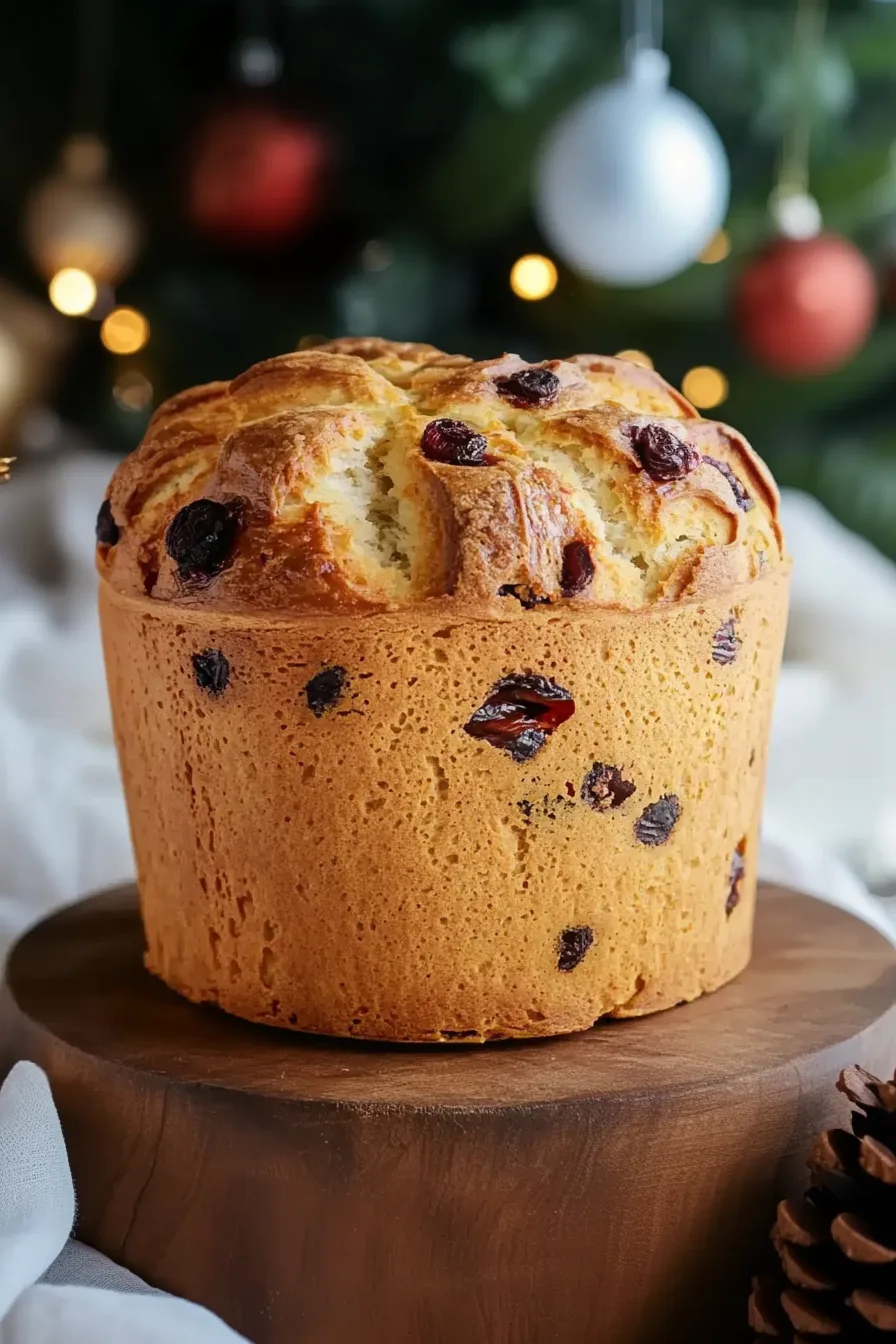
How To Make Italian Panettone Bread?
Step 1 – Make the Sponge
This is your “bread baby.” A little mix of yeast, water, and flour that puffs up after about 30 minutes. It’s not glamorous, but it’s the foundation.
Step 2 – Mix the Dough
Now for the workout. Add eggs, sugar, butter, milk, and the rest of the flour. The dough will look sticky and messy before it suddenly transforms into something smooth and elastic. Toss in the candied fruit and zest, and suddenly it looks like Christmas confetti.
Step 3 – First Rise
Cover it up and let it nap in a warm spot. Two to three hours later, it’s doubled in size, and you’ll feel like a proud parent.
Step 4 – Shape and Rise Again
Deflate the dough (yes, punch it gently—it’s weirdly satisfying), then divide it into three balls. Pop them into paper molds or any deep baking pans you’ve got. They’ll puff again in about two hours.
Step 5 – Bake
Score an “X” on top with scissors, brush on that egg wash, and bake. First hot, then a little cooler. Keep an eye out—if the tops get too brown, just tent them with foil.
Step 6 – Cool and Dust
Cool the loaves, dust with sugar, and maybe whisper a quiet “wow” to yourself. Because at this point, they look like bakery-level masterpieces.
Want To Save This Recipe?
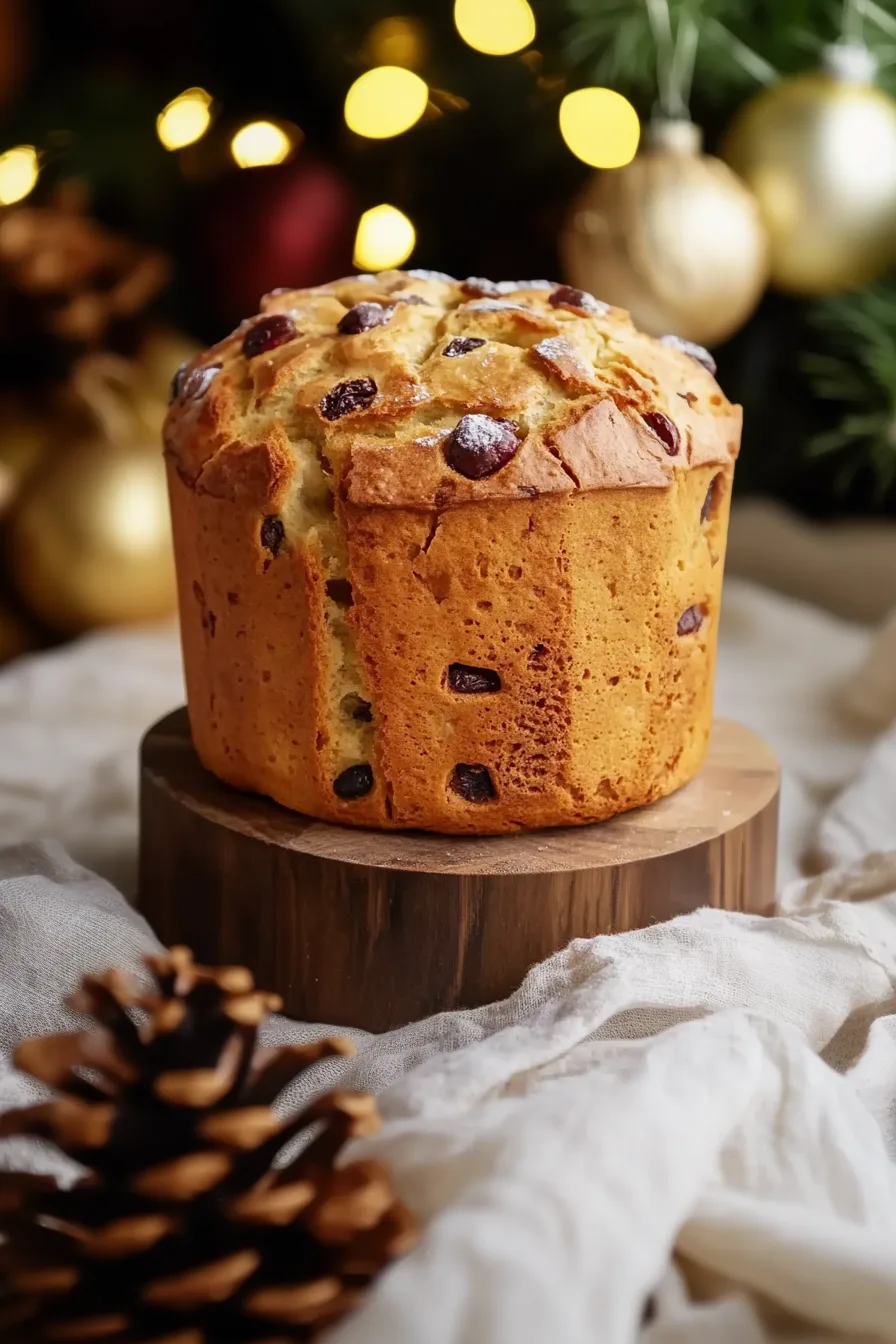
Storage Options:
Panettone is surprisingly forgiving. Wrapped in plastic and foil, it stays soft for about a week. If you’re the “plan-ahead” type, freeze it! Just thaw overnight on the counter, and it’s as good as new. Honestly, sometimes I like it better the second day—the flavors mellow and blend, almost like it needed that extra nap.
Variations and Substitutions:
-
Chocolate Chip Panettone: Because sometimes you just need chocolate, no explanation required.
-
Nutty Twist: Almonds or hazelnuts give a toasty crunch.
-
Fruit Swap: Dried cranberries, figs, or apricots work beautifully if candied fruit isn’t your thing.
-
Glazed Top: A simple sugar glaze turns it into dessert territory.
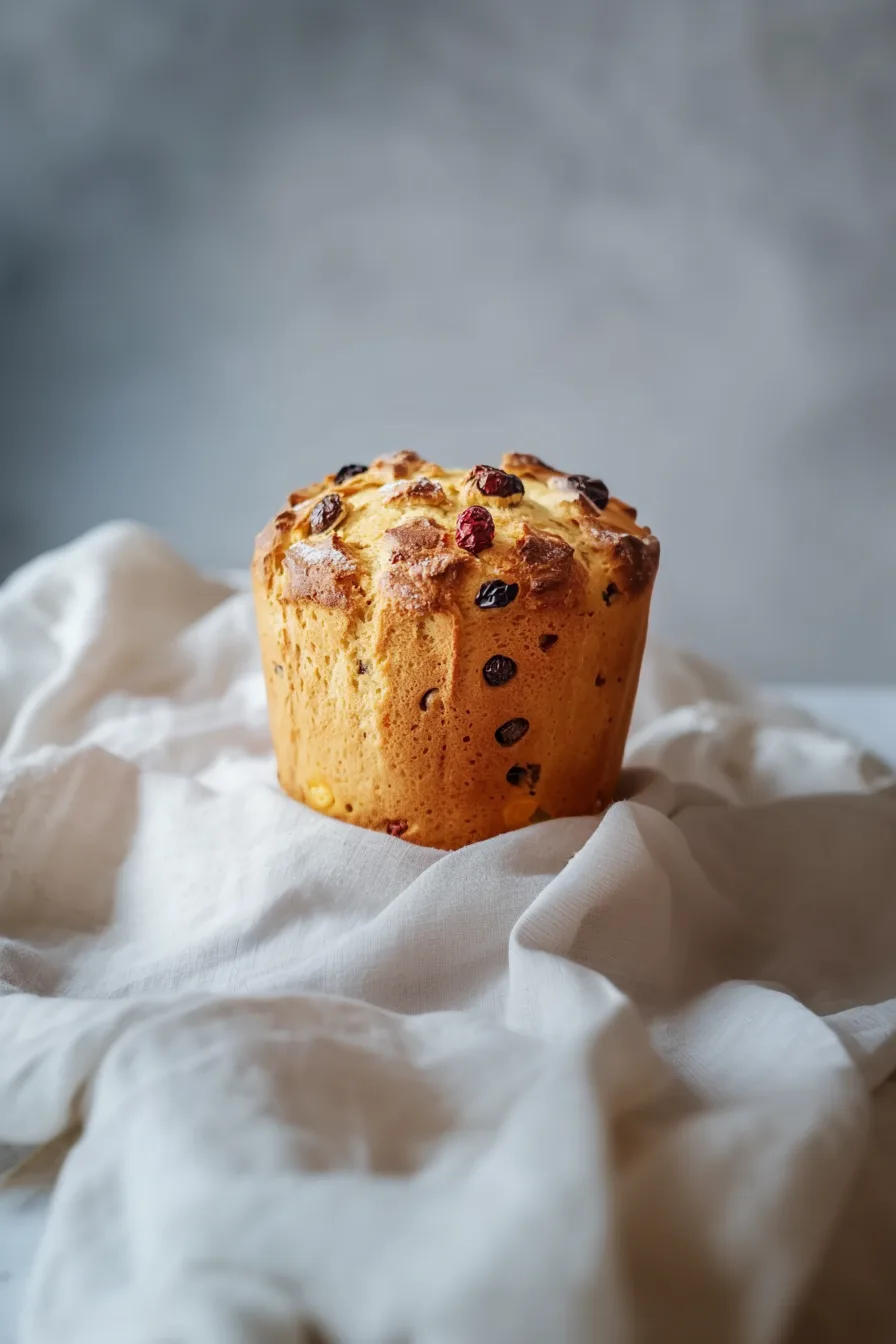
What to Serve with Italian Panettone Bread?
Panettone isn’t picky—it plays well with everything. You can:
-
Slice it thick, toast it, and smear it with butter or jam.
-
Use leftovers for French toast (this is life-changing, no exaggeration).
-
Pair it with espresso in the morning or prosecco at night.
-
Honestly, it’s one of those rare foods that feels just as at home at breakfast as it does after Christmas dinner.
Frequently Asked Questions:
Do I need those tall paper molds?
Not really. They make it look authentic, but a cake pan works fine. I once used a Dutch oven in a pinch—it still turned out amazing.
Why is my dough taking forever to rise?
Because panettone dough is heavy. Butter, eggs, fruit—it all slows yeast down. If your house is cold, stick it in the oven with just the light on. Works like a charm.
Can I make it ahead?
Yes—and you should. The flavors deepen after a day or two, so if anything, it’s even better when it’s not brand new.
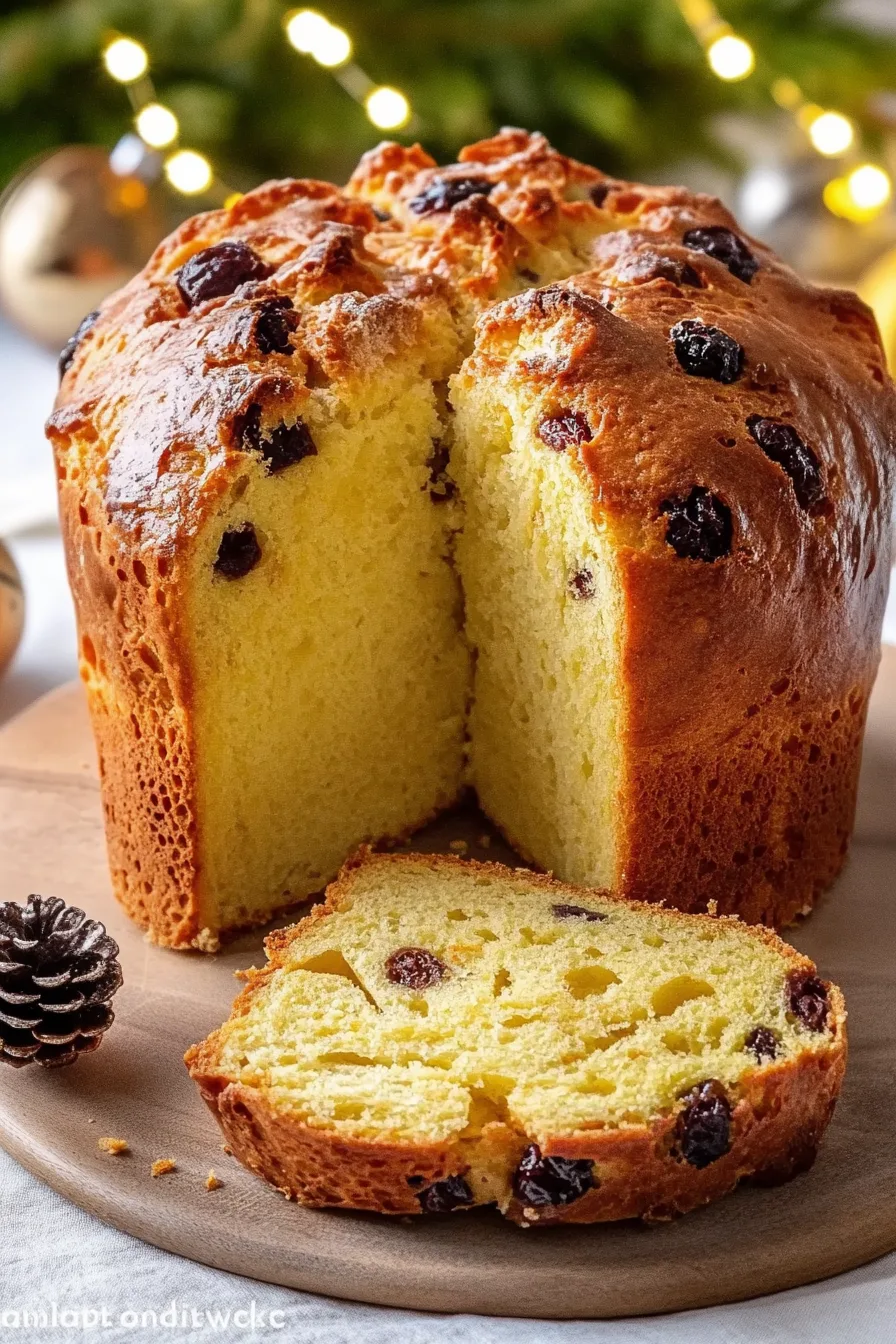
So, that’s panettone. A little fussy, a little time-consuming, but so worth it. If you’re looking for a bread that smells like Christmas and tastes like tradition, this Italian Panettone Bread Recipe is it. I’d love to know—do you already bake this for the holidays, or will this year be your first time trying?
Keep the Flavor Coming – Try These:
Italian Panettone Bread Recipe
Ingredients
Sponge:
- ⅓ cup warm water 110°F / 45°C
- 1 package 0.25 oz active dry yeast
- ½ cup all-purpose flour
Dough:
- ½ cup warm milk 110°F / 45°C
- 1 package 0.25 oz active dry yeast
- ⅔ cup white sugar
- 4 large eggs
- 2 large egg yolks
- 1 teaspoon vanilla extract
- 12 tablespoons unsalted butter softened
- 3 ½ cups all-purpose flour
- 2 cups candied mixed fruit
- 2 ½ teaspoons grated lemon zest
- 2 tablespoons orange zest
Finishing:
- 2 tablespoons melted butter
- 1 egg yolk
- 1 tablespoon cream
Instructions
Prepare the Sponge:
- Warm a small bowl by rinsing with hot water. Pour in warm water, sprinkle yeast over the top, and allow it to dissolve. Stir in flour, cover with plastic wrap, and let rise for 30 minutes, or until doubled in volume.
Activate Yeast for Dough:
- In a separate bowl, sprinkle the remaining yeast over warm milk and let it stand until dissolved. In a large bowl, beat together the sugar, eggs, egg yolks, and vanilla. Stir in the milk-yeast mixture, then add the prepared sponge. Mix until combined.
Form the Dough:
- In a large mixing bowl, combine butter with the remaining flour until crumbly. Gradually incorporate the egg mixture. Beat on high speed for 3–4 minutes until the dough appears elastic with visible strands. Stir in candied fruit and citrus zest until evenly distributed.
First Rise:
- Transfer the dough into an oiled bowl, cover with plastic wrap, and allow it to rise in a warm place for 2–3 hours, or until doubled in size.
Shape the Loaves:
- Brush the insides of three 7 x 4-inch paper panettone molds with melted butter. Lightly deflate the dough on a floured surface and divide it into three equal portions. Shape each into a ball and place into the molds. Cover loosely with plastic wrap and let rise again until doubled, about 2 hours.
Prepare for Baking:
- Preheat the oven to 400°F (200°C). Using oiled kitchen scissors, cut an “X” into the top of each loaf. Combine egg yolk with cream to form an egg wash and brush over the tops.
Bake:
- Place the molds on a baking sheet in the lower third of the oven. Bake for 10 minutes, then reduce oven temperature to 375°F (190°C). Continue baking for an additional 30 minutes, or until a skewer inserted in the center comes out clean. If tops brown too quickly, tent loosely with foil.
Cool and Serve:
- Allow loaves to cool completely on a wire rack before slicing.
Notes
I’m Bitty, owner of nodashofgluten.com, where I share simple, delicious recipes for all tastes, including gluten-free. Check out my “About Me” page for more info!