

Risi e Bisi (Italian Rice and Peas) — a creamy Venetian classic made with Arborio rice, prosciutto, and sweet peas for pure Italian comfort.
There’s something about Italian food that just… slows you down, you know? Like life feels softer for a minute. The first time I had Risi e Bisi — which literally means “rice and peas” — I was sitting in a tiny Venetian trattoria with fog creeping in from the canals. It was one of those accidental discoveries you don’t plan for — the kind that stays with you long after the trip’s over.
I’d been walking all morning, half lost, half pretending I wasn’t. It was spring, and I remember thinking how even the air in Venice smelled like olive oil and sea salt. The waiter, a man who looked like he’d seen generations pass through those same wooden doors, set down a bowl and said simply, “Risi e Bisi. È buono.”


It didn’t look like much — just rice and peas, right? But one spoonful in and I swear, something shifted. The rice was creamy, but not heavy. The peas were sweet, bright — almost hopeful, if food can be hopeful. And the tiny bits of prosciutto added this salty hum that made everything else sing. I don’t even remember what else I ate that day, but that bowl? I still think about it when it rains.
Now, whenever I make this dish at home, I get that same calm, that same feeling of comfort wrapped up in something simple and warm. It’s not fancy, it’s not fussy — it’s homey. Like the kind of food your grandmother might’ve made without measuring a single thing, just knowing it by heart.
Why You’ll Love This Risi e Bisi (Italian Rice and Peas) Recipe?
You know when you want something cozy but not too heavy — like that perfect in-between of soup and risotto? That’s exactly where Risi e Bisi lives. It’s creamy but still light, flavorful but delicate, rustic but elegant. Basically, the culinary equivalent of that one friend who’s effortlessly put-together but swears they “just threw this on.”
Here’s why it’s worth making:
-
It’s true comfort food. Creamy rice, salty ham, and sweet peas — it’s the trifecta of flavor happiness.
-
It’s weeknight-friendly. You can have it on the table in 45 minutes, which is about the same time it takes me to decide what movie to watch.
-
It’s timeless. Venetians have been making Risi e Bisi since the 1500s. And trust me, it’s aged better than most trends.
-
It’s easy to customize. Don’t eat meat? Skip the prosciutto. Want more veggies? Add them in. Italians would approve — they love a good improvisation.
Every bite feels like a little bit of Italy — warm, simple, and unpretentious.
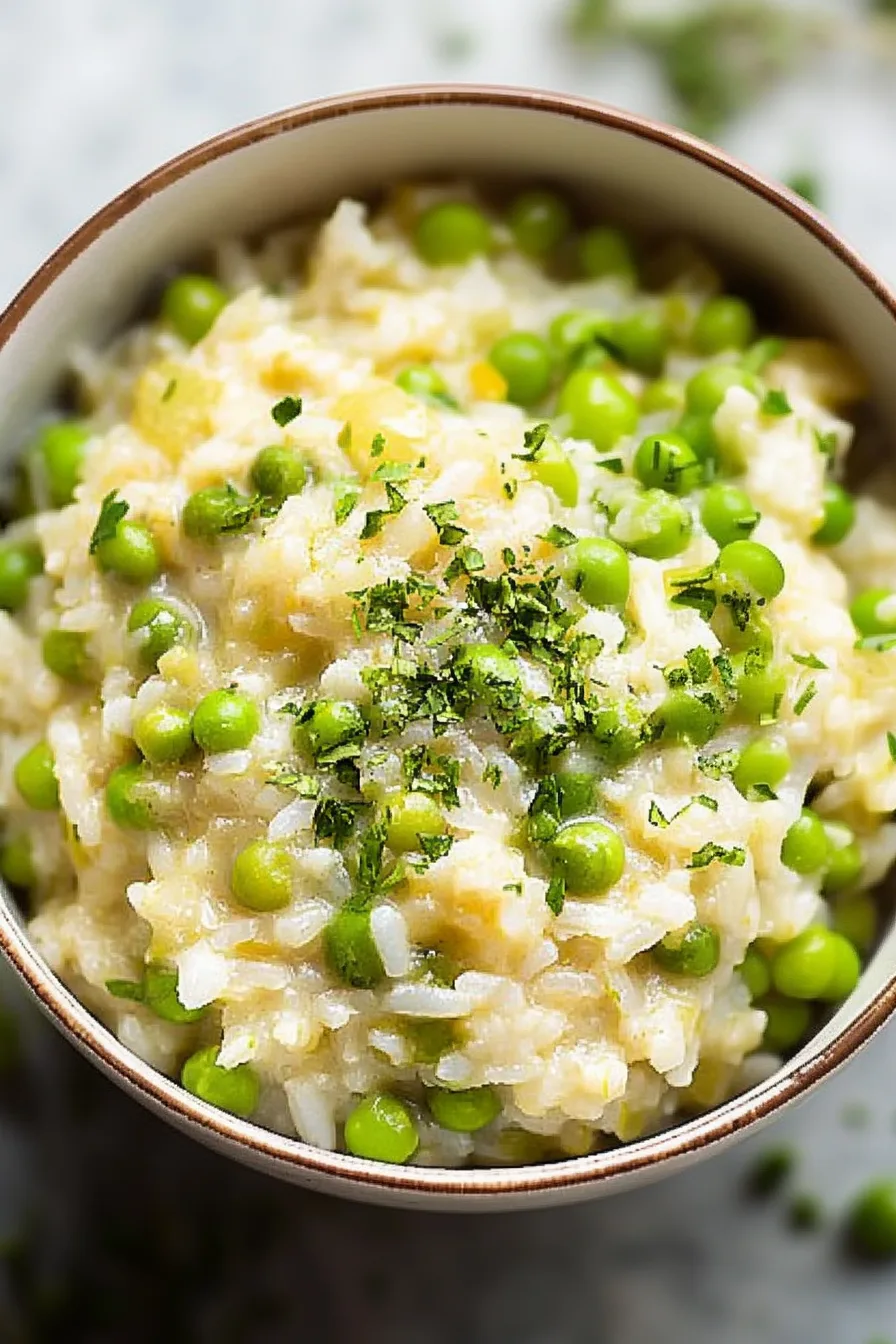
Ingredient Notes:
One of the reasons I love Italian cooking is that it doesn’t try too hard. The ingredients do the talking. No unnecessary fluff — just quality, balance, and heart.
-
Arborio rice: This short-grain rice is what gives you that creamy, velvety texture. Don’t swap it for regular rice — it won’t be the same.
-
Prosciutto (or pancetta): Adds that salty richness that ties the dish together. It’s like background music you don’t notice until it’s gone.
-
Peas: Fresh or frozen both work fine. Their sweetness brightens the dish and balances the salt from the ham.
-
Shallots and garlic: These are your quiet heroes — subtle but essential. They create that fragrant base every good Italian dish starts with.
-
Olive oil: Use the good stuff here. You’ll taste it. I promise.
-
Parmesan cheese: Grated fresh, please. It’s not a garnish — it’s part of the magic.
-
Stock: A flavorful vegetable or chicken stock gives the rice depth. Keep it simmering — cold stock kills the rhythm.
It’s funny — there’s nothing complicated here. And yet, when it all comes together, it feels luxurious.
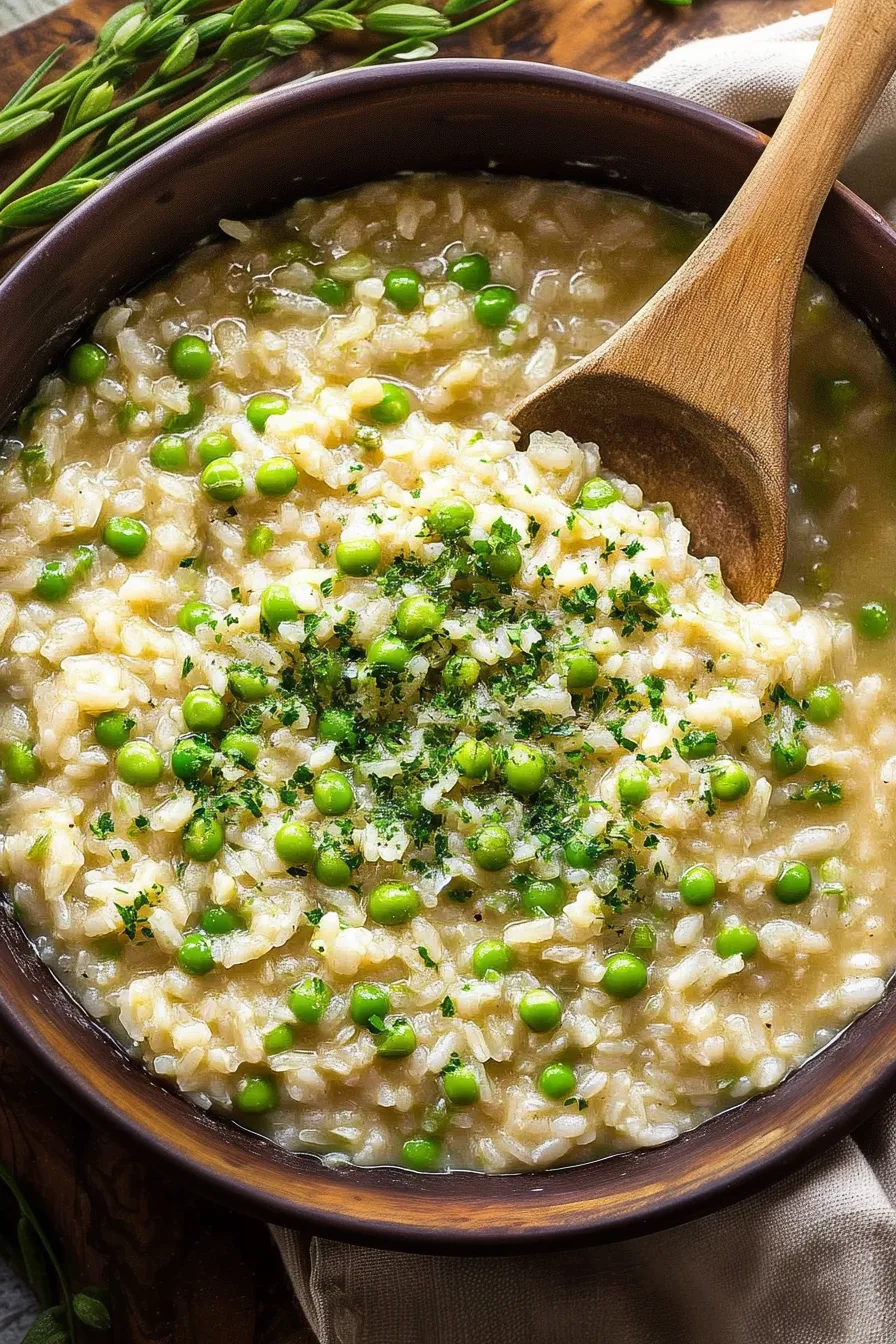
How To Make Risi e Bisi (Italian Rice and Peas)?
Cooking Risi e Bisi is kind of like meditation — slow, steady, rhythmic. It’s about patience and a wooden spoon.
Step 1: Start with the aromatics
Drizzle olive oil into a medium pot and let it warm. Add the shallots and let them soften for about 3 minutes. The smell will make you want to pull up a chair right next to the stove.
Step 2: Add garlic and prosciutto
Toss in the garlic and diced prosciutto, and give it a stir. Let it sizzle for a minute or two — enough time for the prosciutto to crisp just a little. That’s your flavor base right there.
Step 3: Toast the rice
Add the Arborio rice and stir so every grain is coated with oil. Let it toast for a minute or two — just until it smells nutty. This step is tiny but mighty; it gives the dish that deep, comforting flavor.
Step 4: Add the stock, slowly
Now the fun (and slightly tedious) part. Ladle in your warm stock, one scoop at a time. Stir. Let it absorb. Repeat. Don’t rush this — part of the beauty of Risi e Bisi is that gentle transformation from broth and grain into something creamy and rich.
Step 5: Add the peas
When the rice is halfway cooked, stir in the peas. They’ll pop with color and sweetness. Keep adding stock and stirring. You’ll feel when it’s ready — the rice turns tender but still has a little bite.
Step 6: Finish it off
Turn off the heat and stir in the Parmesan and parsley. Taste it. Need salt? Pepper? A drizzle of olive oil? Go for it. The consistency should be loose and creamy — not soupy, not stiff. Somewhere in the middle.
Want To Save This Recipe?
Then, take a second. Breathe. And admire your creation — it smells like comfort and history all in one.
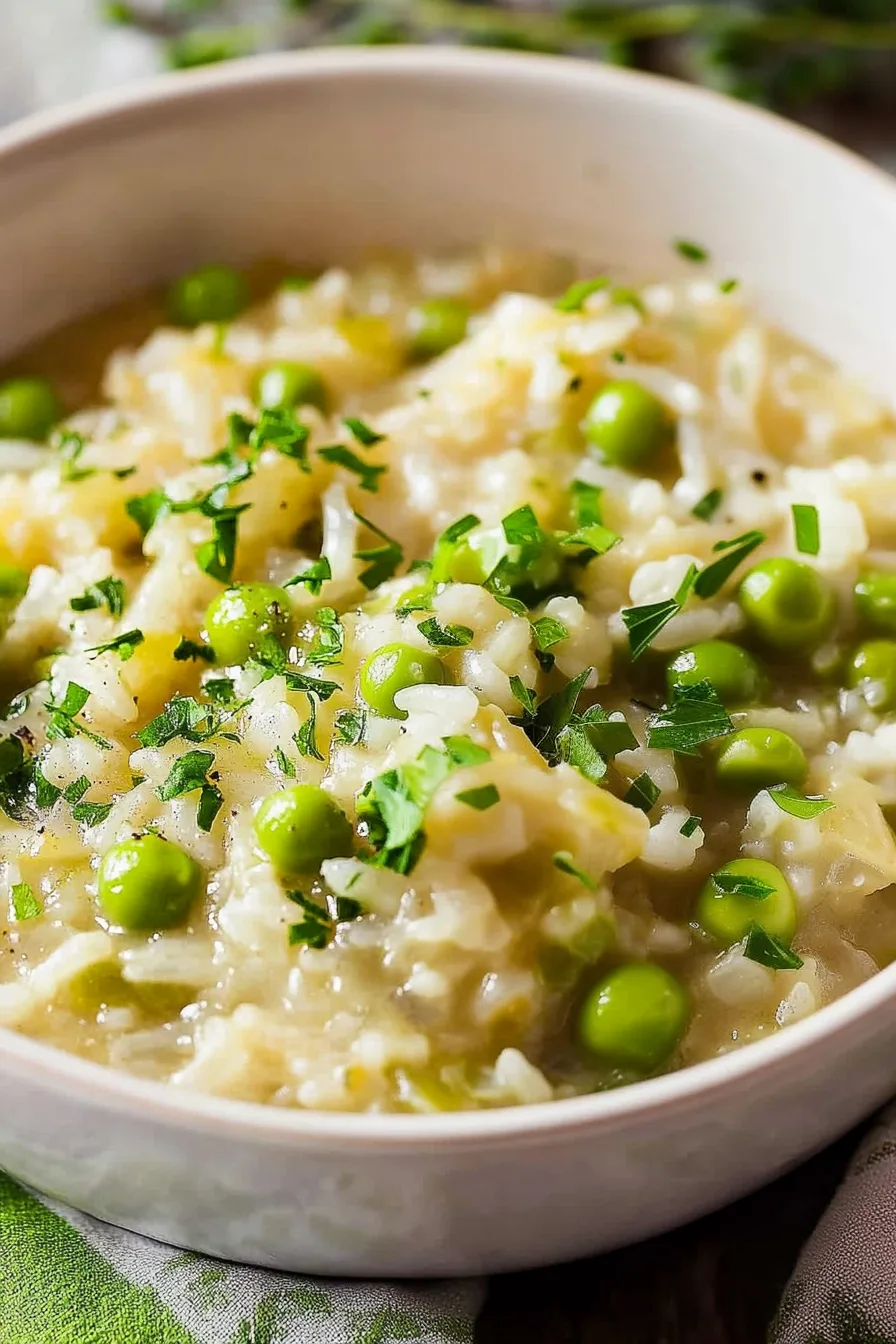
Storage Options:
Okay, let’s be honest — Risi e Bisi rarely makes it to the fridge. But if by some miracle you have leftovers, store them in an airtight container and refrigerate for up to three days.
To reheat, warm it gently on the stove with a splash of broth or water to bring it back to that creamy, silky texture. Microwave works in a pinch, but it tends to make the rice clump — not the end of the world, just not ideal.
Variations and Substitutions:
Italian recipes are never rigid — they’re like jazz. A little improv is expected (and encouraged).
-
Vegetarian version: Skip the prosciutto and use veggie stock. It’s still packed with flavor.
-
Vegan twist: Swap out the Parmesan for nutritional yeast or vegan cheese and use olive oil instead of butter.
-
Add veggies: Asparagus tips, mushrooms, or even leeks fit right in.
-
Make it heartier: Stir in shredded rotisserie chicken or cooked shrimp if you’re feeling indulgent.
Honestly, you can’t really mess it up. Italians cook from the heart, not a rulebook.
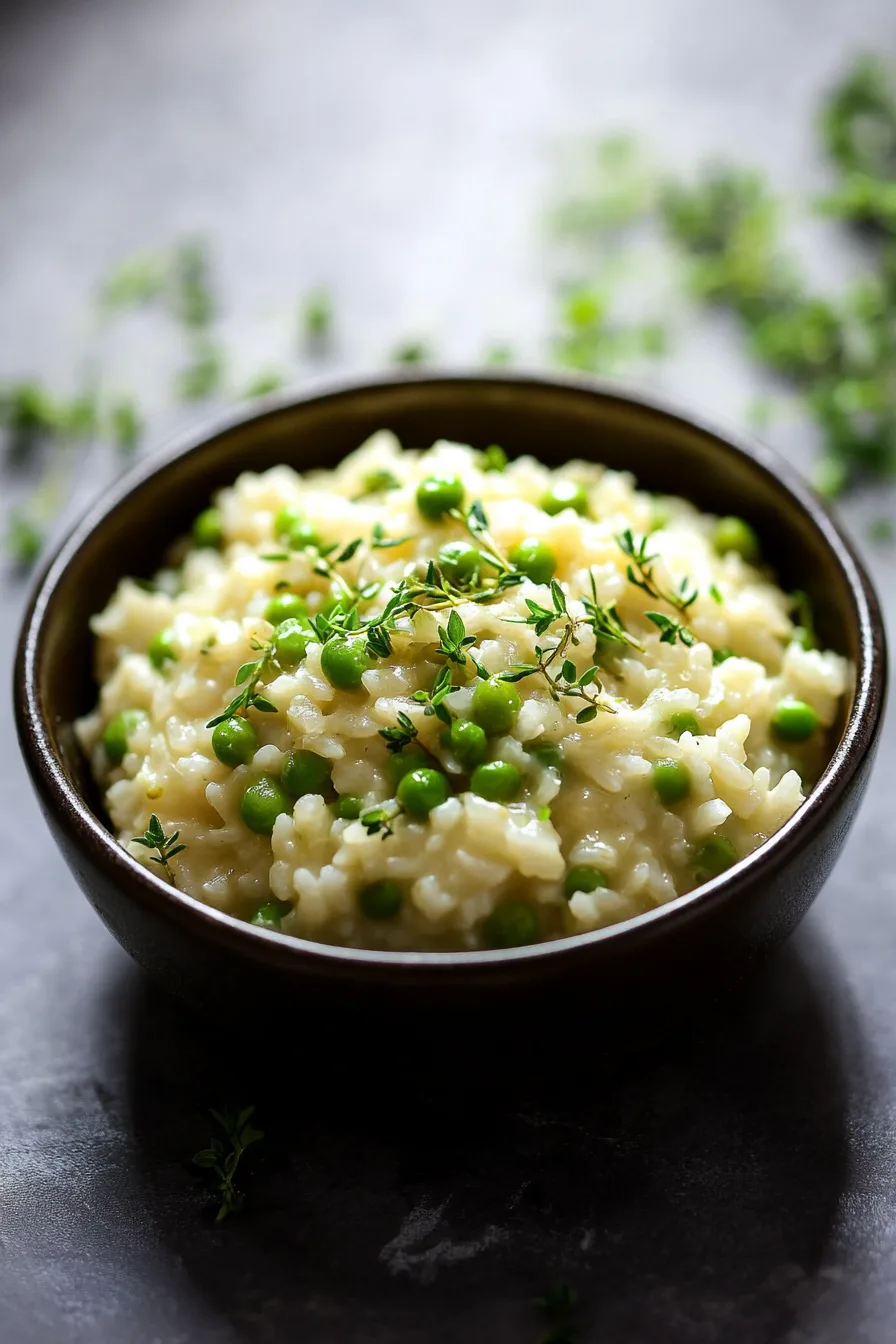
What to Serve with Risi e Bisi (Italian Rice and Peas)?
This dish can stand alone — trust me. But if you want to make it part of a meal, here are a few ideas:
-
A crisp salad: Something green and zesty to balance the creaminess.
-
Garlic bread: Because carbs + carbs = happiness.
-
Roasted veggies: Especially carrots, zucchini, or roasted tomatoes.
-
A glass of wine: White, light, and crisp. Pinot Grigio never fails.
It’s simple, rustic food that doesn’t ask for much — just good company and maybe a little wine on the side.
Frequently Asked Questions:
What does Risi e Bisi mean?
It translates to “rice and peas” in Venetian, but it’s really so much more than that — somewhere between soup and risotto.
Can I use another rice?
Technically, sure. But Arborio (or Carnaroli) gives that signature creaminess. Regular rice just won’t hit the same note.
Can I make it ahead?
Not really — this one’s best fresh. But you can prep your ingredients beforehand to save time.
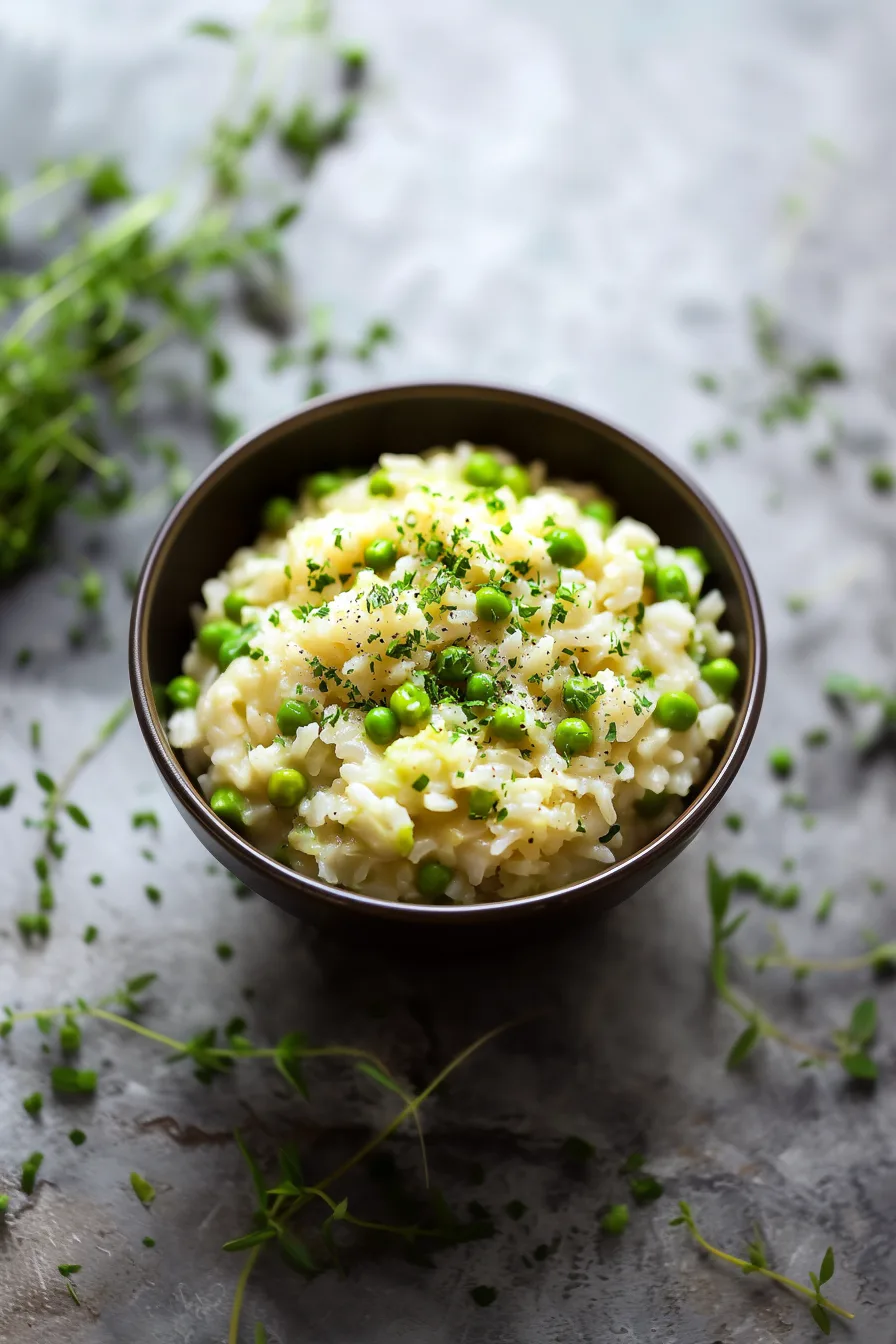
You know how some recipes just feel alive? This is one of them. Risi e Bisi isn’t loud or showy — it’s gentle, honest, comforting. It’s the kind of food that warms your kitchen and your heart at the same time.
Next time it’s chilly or you’re craving something cozy (but not another bowl of pasta), try this. Light some candles, pour a little wine, and stir slowly. You’ll get it — why this simple bowl of rice and peas feels like Italy in a spoon.
So tell me, what’s your version of comfort food? Because this one right here… might just be mine.
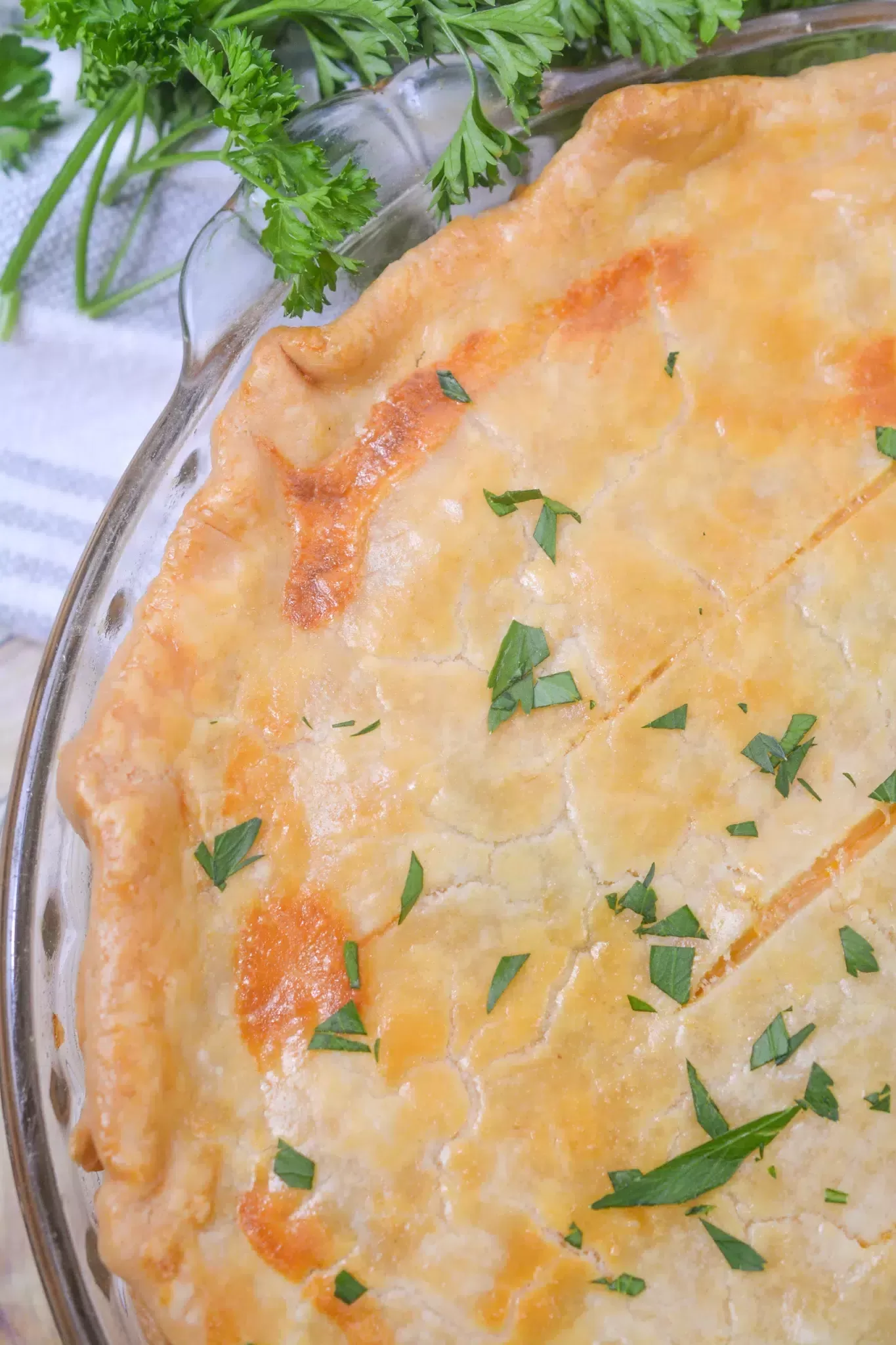
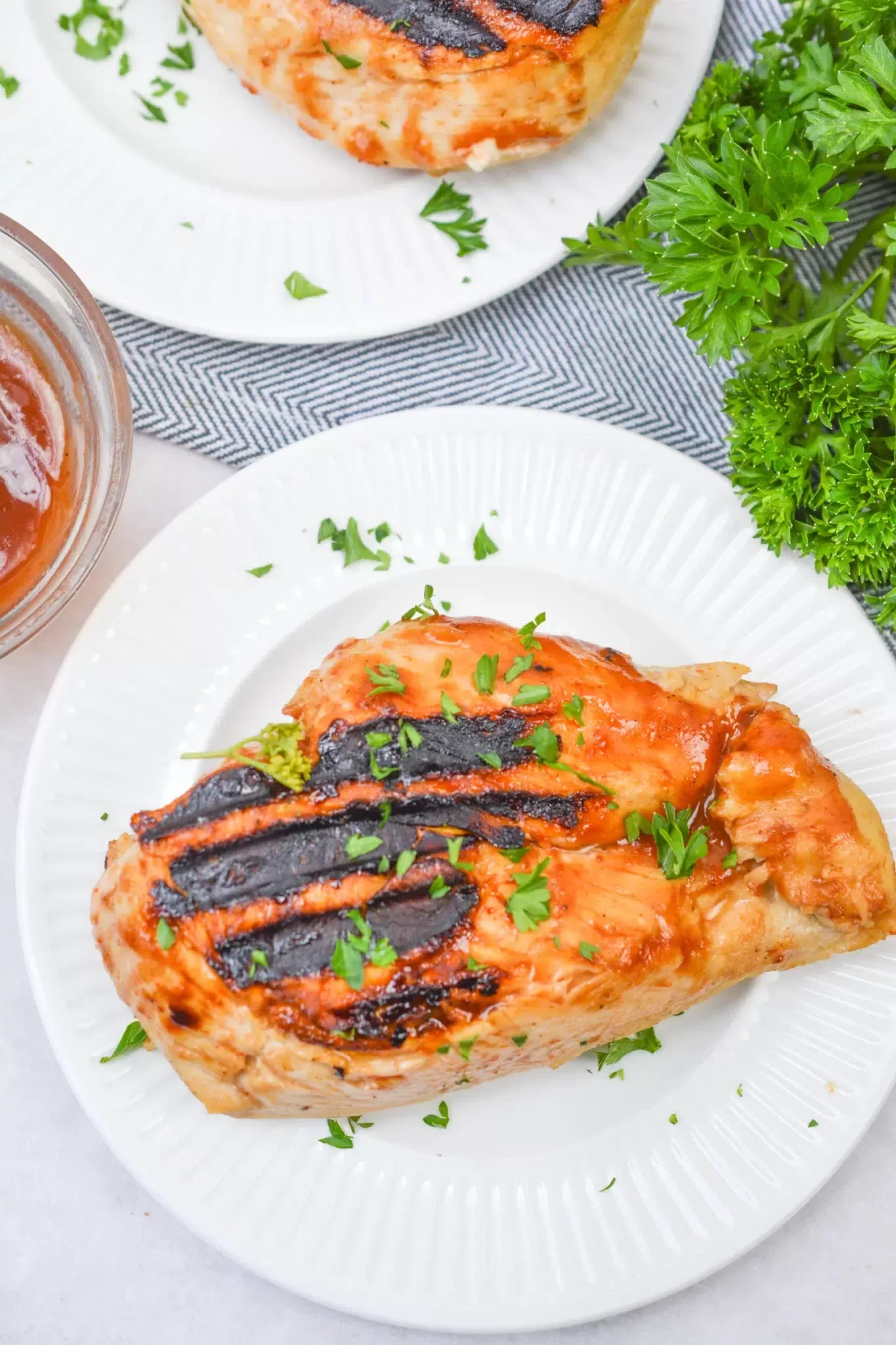
Keep the Flavor Coming – Try These:

Risi e Bisi (Italian Rice and Peas)
Ingredients
- 2 tablespoons extra virgin olive oil
- 3 shallots minced
- 3 cloves garlic minced
- 1/4 pound prosciutto or other dry-cured ham diced
- 1 cup Arborio or other risotto rice
- 2 cups vegetable or chicken stock
- 2 or more cups water as needed
- 1 cup fresh or frozen peas
- 1/2 cup parsley finely chopped
- 1/4 cup grated Parmesan cheese
- Salt and freshly ground black pepper to taste
Instructions
Prepare the Aromatic Base:
- In a medium-sized saucepan, heat the olive oil over medium heat. Add the minced shallots and cook for 2 to 3 minutes, or until softened and fragrant.
Incorporate Garlic and Prosciutto:
- Add the minced garlic and diced prosciutto to the shallots. Stir well and continue to cook for another 1 to 2 minutes, allowing the flavors to blend and the prosciutto to render slightly.
Toast the Rice:
- Stir in the Arborio rice, coating each grain with the aromatic oil mixture. Sauté for 2 to 3 minutes, stirring continuously until the rice becomes glossy and slightly translucent at the edges.
Add Stock Gradually:
- In a separate pot, bring the stock and one cup of water to a gentle simmer. Gradually ladle in the hot liquid to the rice mixture, one scoop at a time, stirring constantly. Allow each addition to absorb before adding more. Maintain a gentle simmer throughout the process.
Incorporate Peas and Adjust Liquid:
- Once half the liquid has been absorbed and the rice begins to soften, add the peas. Continue adding more stock or hot water as needed, stirring regularly. The texture should remain slightly soupy—between risotto and broth consistency.
Finish the Dish:
- When the rice is tender yet still slightly firm to the bite (al dente), remove the pan from the heat. Stir in the chopped parsley and grated Parmesan cheese. Adjust seasoning with salt and pepper as desired.
Serve:
- Ladle the Risi e Bisi into warm bowls. Serve immediately while creamy and hot, with additional Parmesan on top if desired.
Notes

I’m Bitty, owner of nodashofgluten.com, where I share simple, delicious recipes for all tastes, including gluten-free. Check out my “About Me” page for more info!