

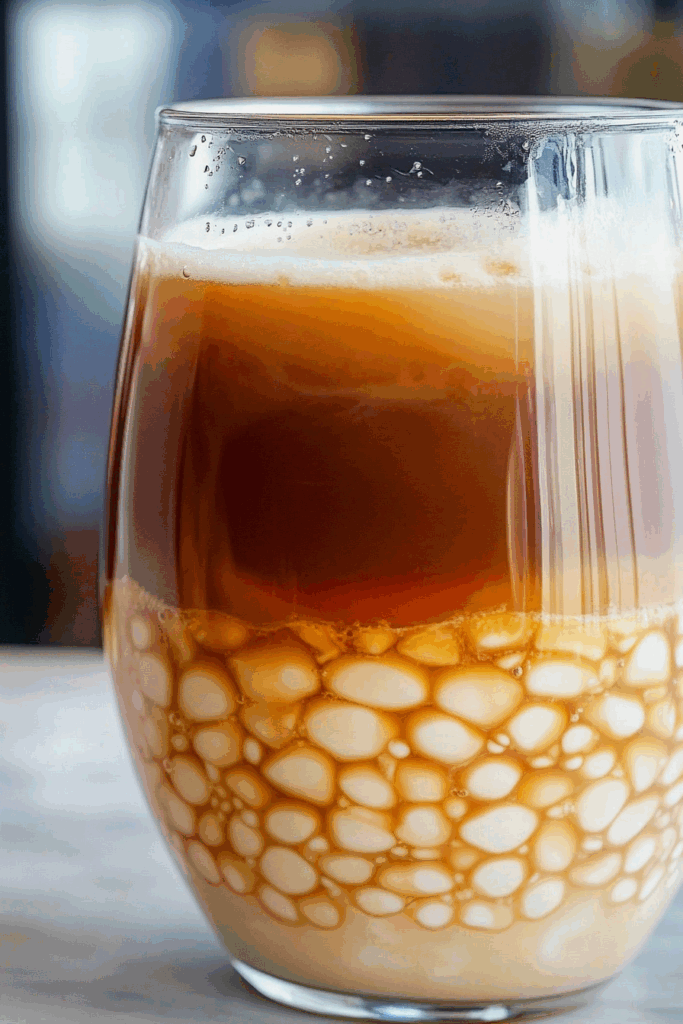
Creamy black tea, brown sugar syrup, chewy boba, and sweet Hokkaido milk—this Hokkaido Milk Tea recipe is pure, comforting goodness.
Let me tell you a quick story.
It was raining in Sapporo—like, the soft, romantic kind of rain you think only happens in movies. My jeans were damp. I’d just missed a bus. I was hungry but also weirdly full from all the bakery samples I shamelessly accepted (zero regrets). And then, without any real plan, I ducked into a small tea shop because the window looked foggy and the sign said something-something milk tea.
No expectations. I just wanted to be dry.


But the second that warm cup touched my hands, I swear the entire day reset. The drink was creamy, slightly sweet, and had these little chewy pearls swimming around like they were part of the vibe. It was rich but not heavy, sweet but not toothache sweet. And that milk—wow. I didn’t know milk could taste… silky?
Fast forward to now: I’ve recreated that Hokkaido Milk Tea at home more times than I can count. And no, it doesn’t always feel exactly like that rainy afternoon in Japan, but it does make me pause, breathe, and smile. Which, honestly, is enough.
Why You’ll Love This Hokkaido Milk Tea Recipe?
Okay, so let’s get real: there are a lot of milk teas out there. Thai, taro, matcha, jasmine—you name it. But Hokkaido Milk Tea? It’s got this richness that’s hard to explain until you taste it. It doesn’t punch you in the face with sweetness. It’s more of a soft hum. A slow dance.
There’s also something so comforting about making it yourself. No lines. No name misspellings on a plastic cup. Just you, a pot, and that warm, milky magic. And yes, you can get pretty close to the real deal without hopping on a plane or owning a bubble tea franchise.
Is it perfect every time? Honestly… no. Sometimes I over-steep the tea or forget to stir the syrup. Once I melted the boba into a sticky horror. But even then—it’s still cozy, still good, and somehow still totally worth it.
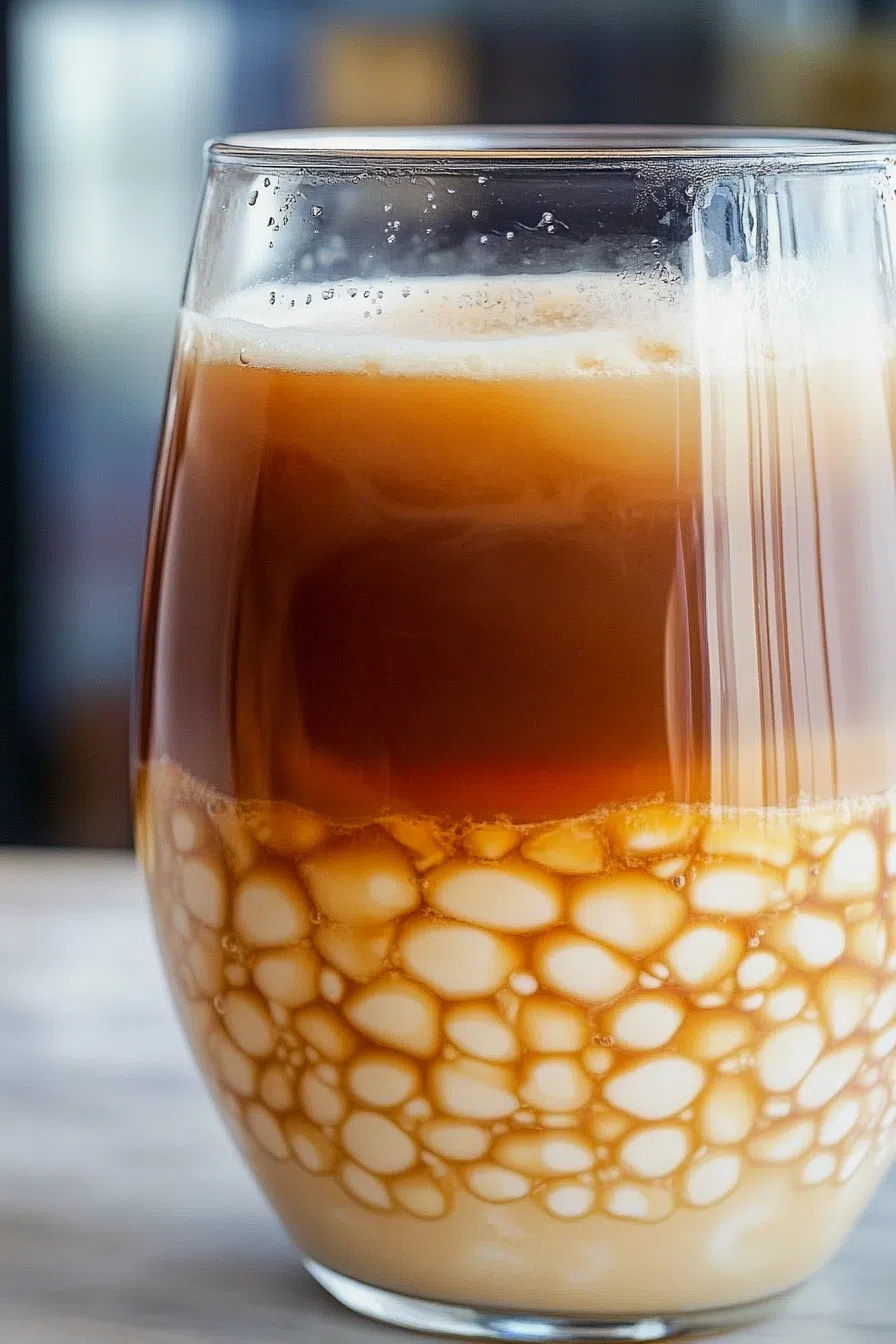
Ingredient Notes:
If you’ve made tea before, you’re already halfway there. The rest? Just little flavor boosts that turn this from “eh” to “oh wow.”
-
Black Tea (1 cup): I usually go with Assam or Darjeeling, but sometimes I just raid my stash and grab whatever’s bold. The stronger the brew, the better it holds up to the milk.
-
Hokkaido Milk (¼ cup or more): If you can find the real deal—amazing. If not, whole milk with a splash of cream is a solid backup. Oat milk works too (I do this a lot when I’m pretending to be dairy-free).
-
Brown Sugar (¼ cup): This isn’t just sugar—it adds a warm, caramelly flavor that makes the whole thing feel extra.
-
Water (¼ cup): Just to make the syrup. Nothing fancy here.
-
Tapioca Pearls (¼ cup, cooked): Optional, but fun. When they’re done right, they’re like little soft treasures in your cup. When they’re not… well, we try again.
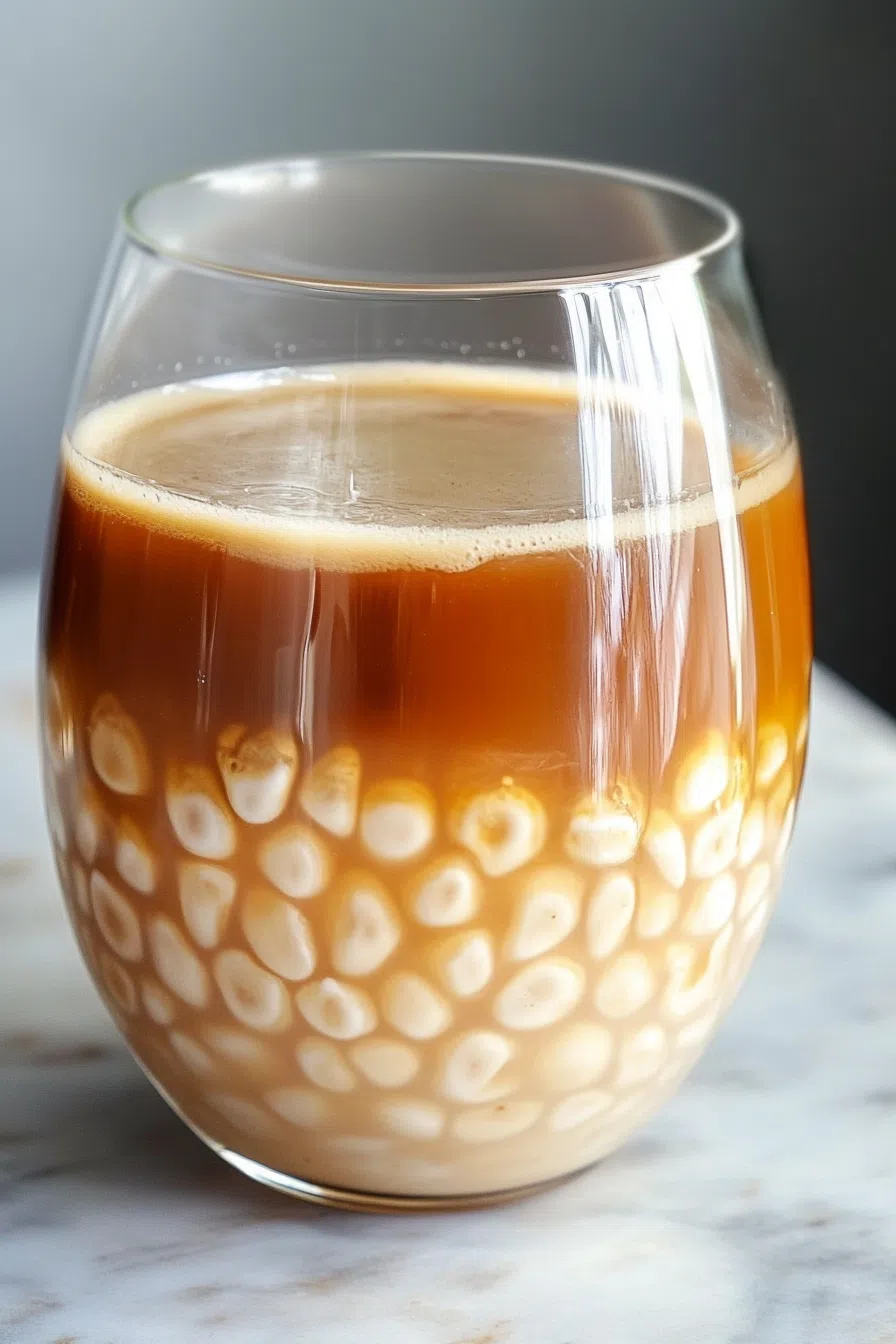
How To Make Hokkaido Milk Tea?
This isn’t a high-stakes recipe. No timers, no blowtorches. It’s more of a “feel it out” kind of situation.
Step 1. Make the brown sugar syrup.
Add brown sugar and water to a small saucepan and heat it over medium. Stir gently until it becomes thick enough to coat the back of a spoon but not thick enough to make you panic. Once it’s syrupy, take it off the heat and let it chill for a few minutes.
Step 2. Cook the boba (if you’re using it).
Follow the instructions on your package. No joke—some say 5 minutes, others say 30. Go with what it says. When they’re done, drain and rinse with warm water, then let them soak in that syrup you just made. This keeps them soft and flavorful instead of sad and clumpy.
Step 3. Brew the tea.
Steep your black tea. Make it strong. Like, “you’ve had a week” kind of strong. It’ll mellow out once you add milk, so don’t be shy.
Step 4. Assemble your masterpiece.
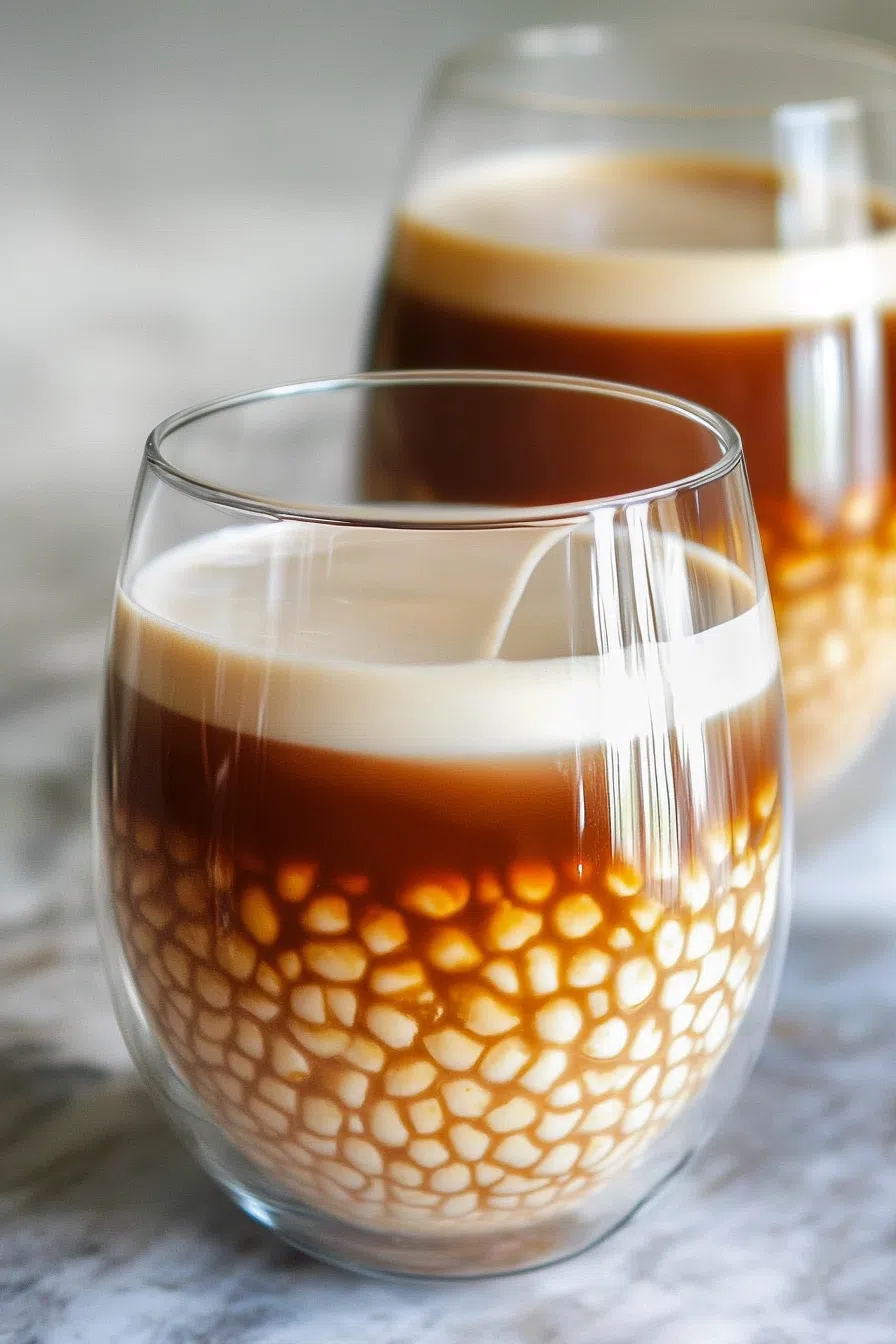
Grab a tall glass. Add some syrup and boba at the bottom (it’s okay if it’s a little messy—it looks cooler that way). Pour in the tea. Top with milk. Stir, sip, and maybe do a little happy dance. No judgment here.
Storage Options:
-
The tea: Brew extra and store it in the fridge. It’ll keep for a couple days. I usually forget it’s there until I need a little pick-me-up.
-
The syrup: Keeps in a jar for about a week. I use it in coffee, too. Multitasking!
-
The boba: These are divas. Best fresh. They get weird and tough if they sit too long. Honestly, I’ve tried refrigerating them. Regrets were had.
-
Fully assembled: Drink it right away. That’s when it’s happiest. So are you.
Want To Save This Recipe?
Variations and Substitutions:
-
No Hokkaido milk? Try whole milk with a splash of cream, or oat milk if you’re plant-based. It won’t be identical, but it’ll still be awesome.
-
No boba today? Totally fine. This drink holds its own without it.
-
Want it cold? Brew the tea, chill it, and pour it over ice. I do this when I’m too warm for hot drinks but still want something comforting.
-
Want it sweeter? Add more syrup. Want it less sweet? Cut it back. You’re in charge.
-
Feeling extra? Toss in a splash of vanilla, cinnamon, or even a pinch of sea salt. Get creative. There are no milk tea police.
What to Serve with Hokkaido Milk Tea?
-
Shortbread or butter cookies: Just enough sweetness to go with the tea.
-
Japanese cheesecake: Soft, fluffy, and not too heavy.
-
Leftover dumplings or onigiri: Don’t ask why it works. It just does.
-
A quiet 10 minutes alone: Sometimes that’s the best pairing.
Frequently Asked Questions:
Do I have to use Hokkaido milk?
Nope! It’s ideal, but not mandatory. Whole milk or a half-and-half mix gets close.
What kind of black tea is best?
Anything bold. Assam, Ceylon, Darjeeling, or even a strong English Breakfast.
Do I need boba?
Not at all. But it does make the whole thing feel a little more fun.

Hokkaido Milk Tea isn’t just a drink. It’s a vibe. A mood. A soft pause in your day that reminds you to slow down, sip slowly, and maybe stare out the window for a minute longer than usual.
Try it, tweak it, mess it up a little—it’ll still taste great. And if you do give it a go, I’d love to know. Did you go hot or iced? Add cinnamon? Spill it all (hopefully not literally).
Leave a comment, send me pics, or just quietly smile into your cup. Either way—I’m cheering you on.
Keep the Flavor Coming – Try These:

Hokkaido Milk Tea
Ingredients
- 1 cup strong black tea brewed
- ¼ cup Hokkaido milk or substitute with whole milk or cream blend
- ¼ cup brown sugar
- ¼ cup water
- ¼ cup tapioca pearls prepared according to package instructions
Instructions
Prepare the brown sugar syrup.
- In a small saucepan, combine the brown sugar and water. Heat over medium heat, stirring constantly until the sugar dissolves completely and the mixture reaches a syrup-like consistency. Remove from heat and set aside to cool.
Cook the tapioca pearls.
- Prepare the tapioca pearls by following the instructions provided on the packaging. Once cooked, drain and rinse them with warm water. Immediately place the pearls in the brown sugar syrup to absorb the flavor and prevent sticking.
Brew the black tea.
- Brew a cup of strong black tea using your preferred method. Allow it to steep slightly longer than usual to ensure a full-bodied flavor. Set aside to cool slightly if serving cold, or keep warm if serving hot.
Assemble the drink.
- In a serving glass, add the brown sugar syrup along with the tapioca pearls. Pour in the black tea, followed by the Hokkaido milk. Stir gently to combine the ingredients thoroughly.
Serve.
- Serve immediately. For a cold version, add ice cubes as desired. For a hot version, ensure all components are kept warm prior to assembly.
Notes
- Confirm that the black tea and brown sugar have no added gluten-containing flavorings or processing agents.
- Choose gluten-free tapioca pearls, as some brands may process them in facilities with gluten.
- Hokkaido milk is naturally gluten-free, but verify the label if using a store-bought substitute or flavored variety.

I’m Bitty, owner of nodashofgluten.com, where I share simple, delicious recipes for all tastes, including gluten-free. Check out my “About Me” page for more info!